


‘We cannot afford to protect ANC pet projects that cost billions but deliver very little,’ said the DA’s spokesperson on finance.
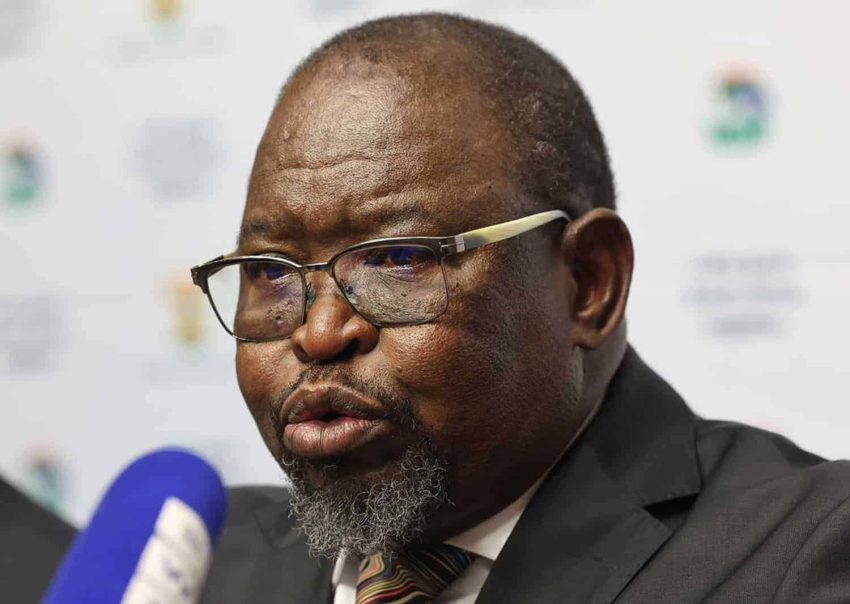
All eyes will be on Finance Minister Enoch Gongwana and his partners in the government of national unity (GNU) as he presents the 2026 budget speech at the Cape Town City Hall on Wednesday.
Last year, differences between Godongwana and his coalition partners led to multiple versions of the budget being presented before all members of the GNU agreed on a version which did not include a 2% VAT increase.
The DA’s spokesperson on finance, Mark Burke, has outlined what the party, the second-largest member of the GNU, expects from this year’s budget presentation.
“South Africans are deeply overtaxed. Budget 2026 must see adjustments in tax brackets and rebates in line with inflation. We cannot afford another year of stealth taxes, and we definitely cannot afford explicit increases.
“As such, the DA expects that there will be no personal income or corporate tax hikes and definitely no VAT increases. Soon, the conversation needs to move from what taxes will be raised to which taxes will be reduced,” said Burke on Wednesday.
State-owned enterprises debt
He said the DA expects National Treasury to meet its commitment from the last Medium Term Budget Policy Statement where the debt-to-GDP ratio for the coming year is set to decline, rather than rise as it has been doing since 2008.
“This is crucial because our country spends 22 cents of every rand on debt service costs that are now crowding out health, education and police spending.”
Burke said the DA is deeply concerned about the burgeoning debt of state-owned enterprises. he said this must be halted.
“Last year, Transnet alone was given another R145.8 billion in debt guarantees. The DA looks forward to updates from the minister on key reforms announced last year to improve the quality of our spending.
“How many ghost workers have been identified, have their salaries frozen and criminal charges laid? Which further programmes are not adding value, where tax revenue can be saved?.
“We cannot afford to protect ANC pet projects that cost billions but deliver very little,” he said.
ALSO READ: Lesufi’s Sopa in numbers: Here is how much the Premier is throwing at Gauteng
Improving SA’s tax system
Burke said the budget should speak to how the government can improve the tax system to support small businesses and entrepreneurs.
“The tax system should be used to stimulate and encourage commerce, through targeted support and lower requirements in tax administration. The finance minister also needs to better use tax policy to support the financial health of South Africans.”
He said tax-free investment savings accounts are a critical tool for encouraging healthy household reserves, and the DA supports the financial services sector’s call for increased thresholds, both for annual and lifetime contributions.
“South African households are characterised by high debt and low emergency buffers. We need to more strongly incentivise savings.
“On the spending side, the DA not only wants wasteful spending addressed, we also want more money reallocated to fighting the illegal and illicit economy. We cannot hope to collect sufficient sin taxes when the state is failing to fight illegal cigarette and alcohol cartels.”
Lastly, Burke said the DA hopes the minister of finance tables a fair and sensible budget in its first iteration.
IFP’s expectations
On the other hand, the IFP’s Nhlanhla Hadebe said his party expects the 2026 national budget to deepen the progress made in frontline services, including education.
“Increased investment in early learning, teacher employment, and foundational basic education remains essential. These are the foundations of a skilled and globally competitive nation,” said Hadebe.
He said the government must secure posts for doctors, nurses, and specialists, while ensuring clinics and hospitals operate reliably and with dignity for all citizens.
He said social protection is central to the IFP’s policy agenda.
“Grants must keep pace with the rising cost of living in order to provide meaningful relief to vulnerable households.”
Regarding infrastructure, he said continued momentum on the multi-year R1 trillion public infrastructure programmes.
“This investment is vital for job creation, especially for youth-economic revitalisation, and rebuilding a capable, service-oriented state,” he said.
Hadebe said South Africans cannot withstand policy decisions that increase transport costs, raise food prices, or worsen inequality.
“The 2026 budget must demonstrate a truly pro-poor orientation, with targeted relief for low-income and working-class households,” he said.
NOW READ: ‘Feel better’ budget: What to expect from Godongwana’s speech