





With more than 25 years in business management and over two decades leading complex IT environments, Cullinan Holdings CIO Ryan Porter has spent his career turning technology into a practical, results-driven business asset.
“Having worked across both customer and service-provider landscapes, I’ve learned that success comes down to strong people, clear governance, and technology that genuinely supports the business,” Porter said.
TechCentral asked Porter a few questions for its IT Leadership Series, which has resumed after a break.
What does your company do?
Cullinan Holdings is a Southern African group operating tourism, travel, transport and marine businesses, delivering leisure experiences across major regional hubs through steady growth and strategic acquisitions.
What do you see as the IT leader’s top priorities in 2026?
I would break it down into five key areas:
- AI at scale: Moving from pilots to enterprise-wide AI that drives measurable business value, underpinned by strong governance.
- Cybersecurity and risk: Strengthening security posture, managing AI-driven threats and ensuring ongoing regulatory compliance.
- Modern platforms and cloud: Modernising infrastructure, reducing legacy complexity, and optimising hybrid and multi-cloud environments.
- Data as a strategic asset: Improving data governance, integration and analytics to better support AI and business decision-making.
- Talent and culture: Upskilling teams, redesigning roles and shifting IT from a support function to a strategic business partner.
Who do you most admire in business and why?
There are a few people who come to mind, but one of my favourites is Richard Branson. His resilience, tenacity and “let’s do it” attitude are qualities I genuinely admire. He has consistently challenged convention while building globally recognised businesses.
How do you attract and retain talent?
There’s very little I can achieve without my team. For me, leadership is about empowering people, providing a clear vision and then trusting them to execute. By placing a strong emphasis on training and development, you allow individuals to take ownership of their growth. That builds confidence, capability and long-term engagement.
If you could go back and give your 18-year-old self one piece of advice, what would it be?
“Be curious, not judgmental.” I wish I had developed stronger critical thinking skills earlier in life. I would encourage my 18-year-old self to stay curious, ask more questions and challenge assumptions.
What’s your favourite productivity hack?
I’m a fan of a good old-fashioned to-do list. I prioritise what’s urgent and apply the two-minute rule — if it can be done in two minutes, do it immediately. I also try not to fill my entire day with meetings. I block out three to four hours in the morning for focused work before the calendar takes over.
What occupation (other than your own) would you like to try?
I’m a huge sports fan, so something in Formula 1 or professional golf or cycling would be incredible. I also love cooking, so becoming a Michelin-star chef would be right up there as well.
Where do you see the technology industry heading in the next three to five years?
- AI will become core to business operations, deeply integrated across platforms and workflows. AI agents and AI-augmented robotic process automation will expand automated and digital workforces.
- Data will evolve into a critical, real-time strategic asset, shifting from traditional batch reporting to continuous streaming insights that enable faster, more predictive decision-making.
- Hybrid and multi-cloud environments will become the standard operating model.
- Security will sit at the centre of every strategy.
- As AI adoption accelerates, AI-specific security controls will mature in parallel, with zero-trust architecture becoming the default foundation for modern enterprises.
What is one book you’d recommend to our audience and why?
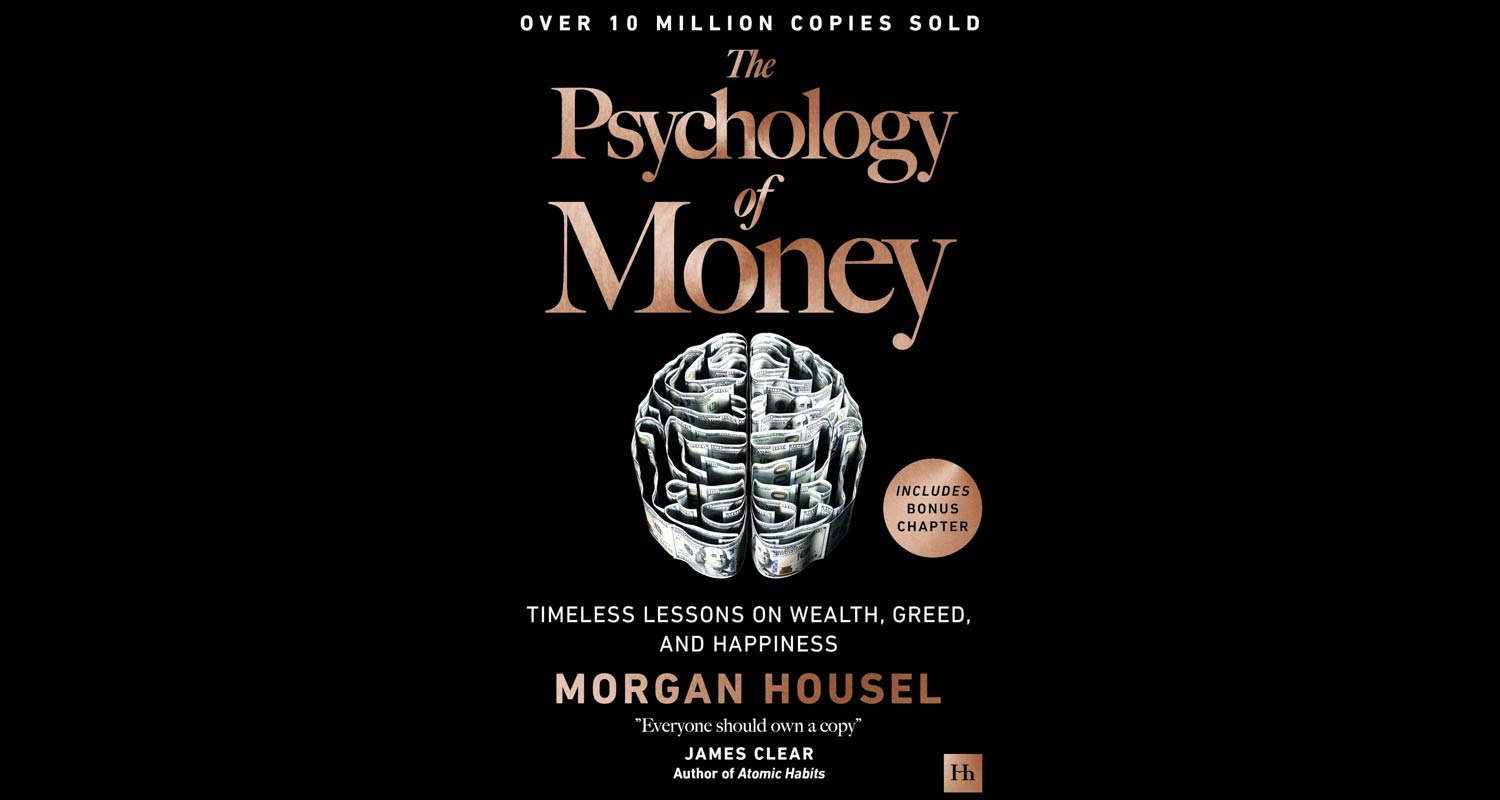
The book I’m currently reading is The Psychology of Money by Morgan Housel. It’s a powerful reminder that our relationship with money is emotional as much as rational. Understanding that better can significantly improve the way we make financial and business decisions. — (c) 2026 NewsCentral Media
Get breaking news from TechCentral on WhatsApp. Sign up here.