

For many South Africans, the name Brickz still carries a heavy mix of nostalgia and outrage. Once a visible figure in the kwaito scene, his fall from grace after being convicted of rape shocked the country and ignited fierce conversations about celebrity accountability. Now, fresh reports suggest a new chapter is unfolding behind prison walls.
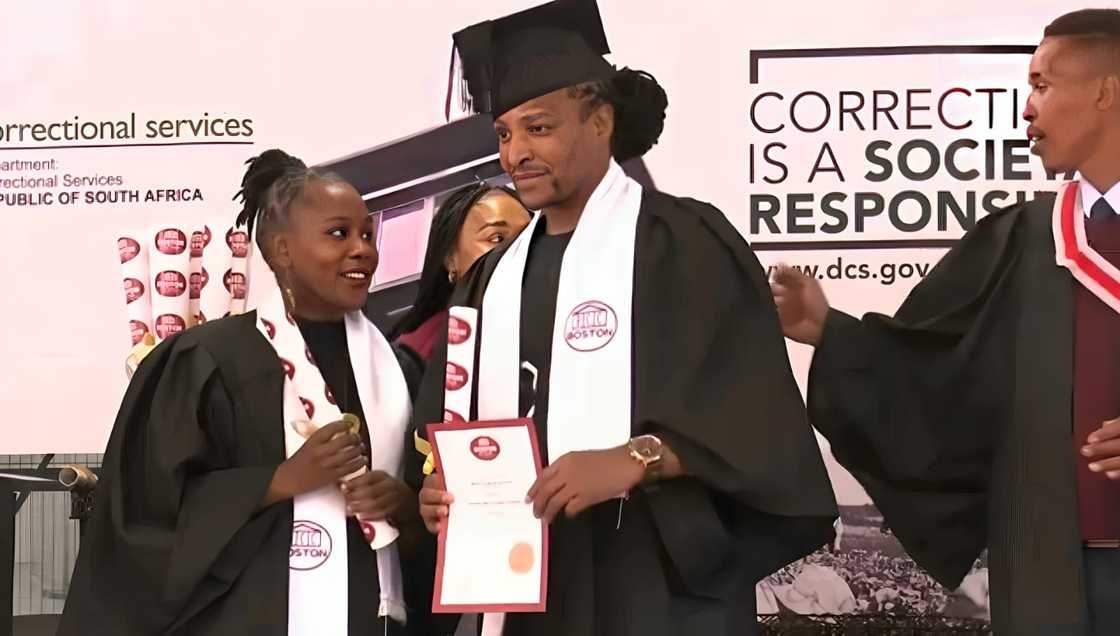
According to recent coverage, Brickz is reportedly achieving strong academic results while incarcerated. The news has quickly made its way across social media timelines, reigniting debate around punishment, rehabilitation, and whether personal growth can ever shift public perception.
From chart success to prison reality
Brickz, whose real name is Themba Njilo, rose to prominence during kwaito’s commercial boom, a time when the genre defined youth culture and township soundtracks across South Africa. His conviction and subsequent sentencing marked a dramatic and deeply troubling turning point, especially given the seriousness of the crime.
Since entering the correctional system, he has largely remained out of the public eye. That silence is part of why reports of academic success have surprised many readers. Studying while serving time is not uncommon in South African prisons, but when the student is a once high-profile musician, the story inevitably attracts attention.
What studying in prison really looks like
South Africa’s correctional facilities do offer educational programmes, ranging from basic schooling to tertiary studies, often in partnership with accredited institutions. For many inmates, education becomes a way to rebuild structure, discipline, and future prospects.
Reports indicate that Brickz has taken this route seriously and is performing well academically. While details about the specific qualifications have not been publicly confirmed, the emphasis has been on consistent achievement rather than a symbolic enrolment.
Public reaction is sharply divided
Online response has been mixed and emotionally charged. Some social media users argue that academic success does not erase the harm caused by violent crime. Others view education as a necessary part of rehabilitation, insisting that prisons should focus on reform as well as punishment.
This divide reflects a broader national conversation. South Africans often wrestle with the tension between justice for victims and the idea that offenders can change. When celebrities are involved, that tension becomes even more intense.
A bigger conversation about rehabilitation
Whether Brickz’s academic progress will ever influence his public image remains doubtful. For many, the conviction defines his legacy. Still, the story adds a human layer to discussions about what prison is meant to achieve.
Education behind bars does not demand forgiveness from the public, but it does raise questions about how society measures accountability, growth, and the possibility of change. In that sense, the reaction to Brickz’s reported academic success says as much about South Africa as it does about the man himself.
Source: Briefly News
Featured Image: News24