


Botswana declares health emergency as hospitals run out of meds
Zuko Komisa
- Botswana has declared a public health emergency after hospitals ran out of essential medicines, a crisis stemming from government funding shortfalls and cuts in US aid.
- The crisis is a result of a sharp decline in revenue from the country’s diamond industry, which has left the government cash-strapped and unable to pay medical suppliers.
- In response, President Duma Boko has allocated R317 million in emergency funds, with the military set to oversee the distribution of new medical supplies.
Botswana has declared a public health emergency after its hospitals and clinics ran out of essential medicines, a crisis driven by depleted state funds and significant cuts to US aid.
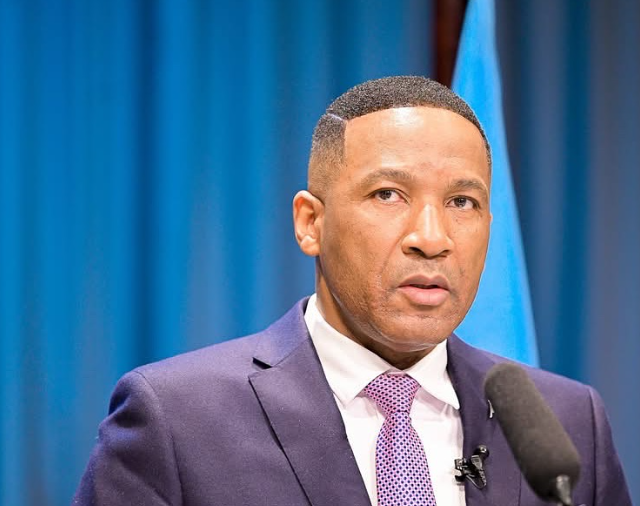
In a televised address, President Duma Boko announced over R317 million in emergency funding to restock medical facilities, with the military tasked with overseeing distribution. “This scenario is not sustainable,” he said. “We are taking bold steps to ensure that never again will Botswana suffer due to broken systems.”
The southern African nation, long considered an economic success story due to its vast diamond reserves, has been hit by a downturn in global gem sales. The diamond industry accounts for around 80% of the country’s foreign earnings, but recent weak demand has severely impacted government revenue.
The economic strain has led to a funding crisis within the health system. Earlier this month, the health ministry warned that the system was “severely strained,” with R1.3 billion owed to private suppliers. This has resulted in critical shortages of drugs for common conditions such as cancer, diabetes, and hypertension, leading to the postponement of elective surgeries.
The situation has been worsened by sweeping cuts in US aid under President Donald Trump. Previously, the US provided significant funding for Botswana’s HIV response and contributed to efforts to combat malaria and tuberculosis.
UNICEF has called for “urgent action,” highlighting that the crisis is affecting children, with one in five children in a western district now underweight.