


South Africa has long acknowledged the essential role of Stem (science, technology, engineering and mathematics) subjects in economic growth, innovation and competitiveness. Yet despite years of policy focus, structural barriers continue to hinder progress – from early childhood development through to tertiary education.
The class of 2025 set a new pass rate record of 88%, but the maths results revealed concern on government officials’ faces. The pure mathematics pass rate declined sharply from 69% to 64%, and only 34% of candidates wrote the pure maths exam.
There also persists a sluggish uptake and throughput in Stem subjects, which is not confined to one stage in the pipeline.
A basic education department document on performance against key national development goals for 2030 and the medium-term strategic framework paints a dismal picture. On increasing the number of pupils eligible to study maths and science at university, it states we are off track, while targets for schools with functional internet connectivity for teaching and learning are also unlikely to be reached at this rate.
Following the release of the national senior certificate results, focus has once again turned to improving reading and maths skills from a young age. Earlier this month, the 2030 Reading Panel revealed that only three in 10 pupils in grades 1-3 can read in their home language. In some languages, the situation is even worse, with up to 25% of grade 3 pupils unable to read a single word.
Main barrier
According to Nicky Roberts, an extraordinary associate professor at the University of Stellenbosch and director of Kelello Consulting, the main barrier to Stem subjects at secondary school level is poor learning foundations in maths and languages in primary school.
“These poor foundations are often a result of poor teaching,” she told TechCentral in an interview last week. Older primary school teachers generally did not take any mathematics beyond grade 9, and many have significant frustrations towards the subject.
Another key area of concern is the preparation of primary school teachers. These teachers need long-term training and support, together with quality structured learning materials. However, there are currently no guidelines on maths and maths literacy entrance requirements for teachers or on how many of the 480 credits in a bachelor of education must be dedicated to maths and languages.
Read: South Africa’s skills advantage is being overlooked at home
The primary teacher education community recommends 150 credits for two languages and 100 credits for maths.
Prof Wynand Steyn, dean of the faculty of engineering, built environment & IT (Ebit) at the University of Pretoria, believes that reformation must start at the bottom – with how teachers are trained at tertiary level. To improve Stem teaching quality in under-resourced South African schools, reforms must go beyond isolated interventions.
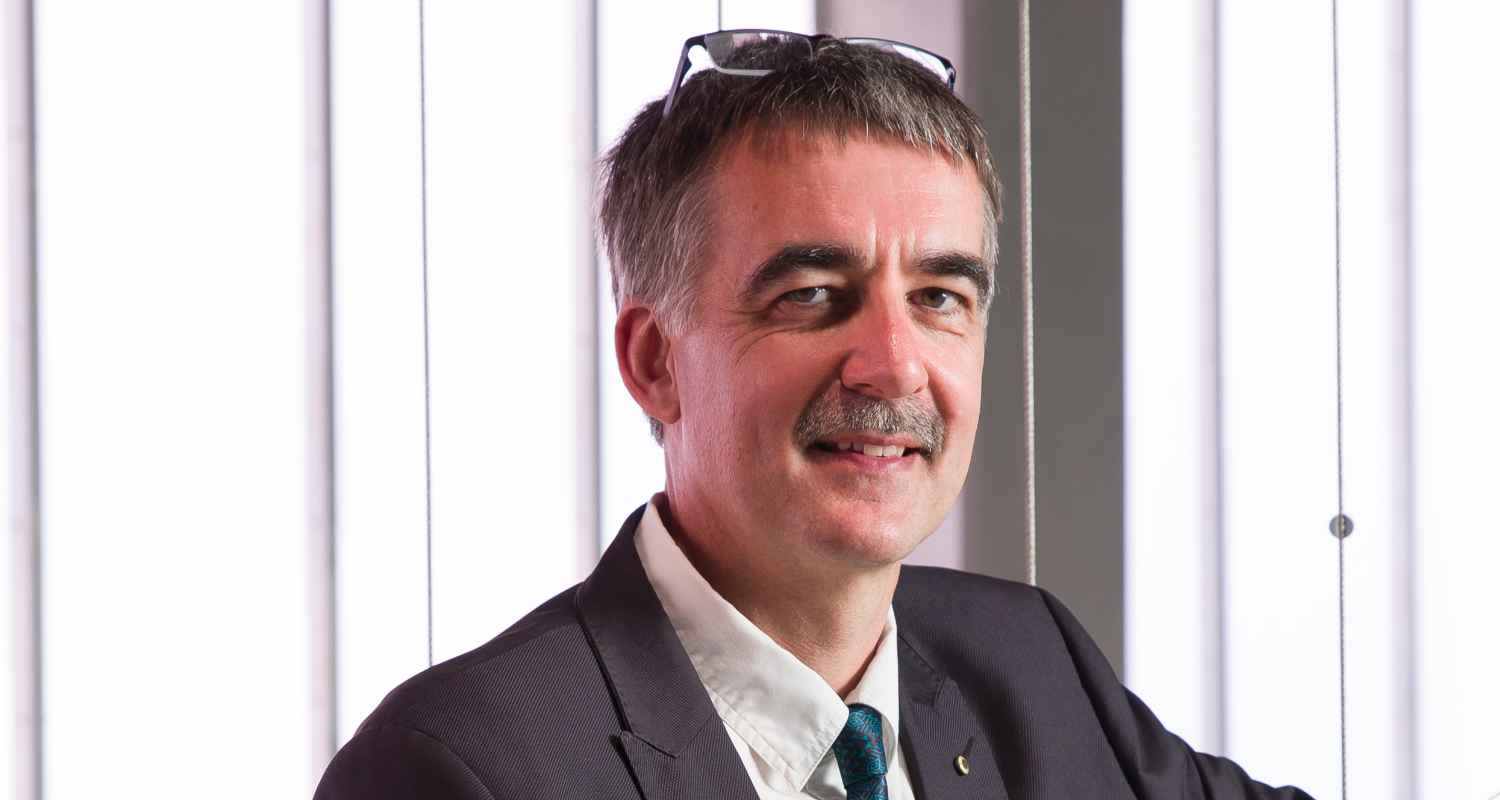
“We should rethink how curricula and pedagogy are designed, how resources are allocated, and how schools are governed and held accountable,” he said in an interview. “A systemic, equity-driven approach like this makes teaching quality improvement not an occasional programme but an embedded part of how the education system functions.”
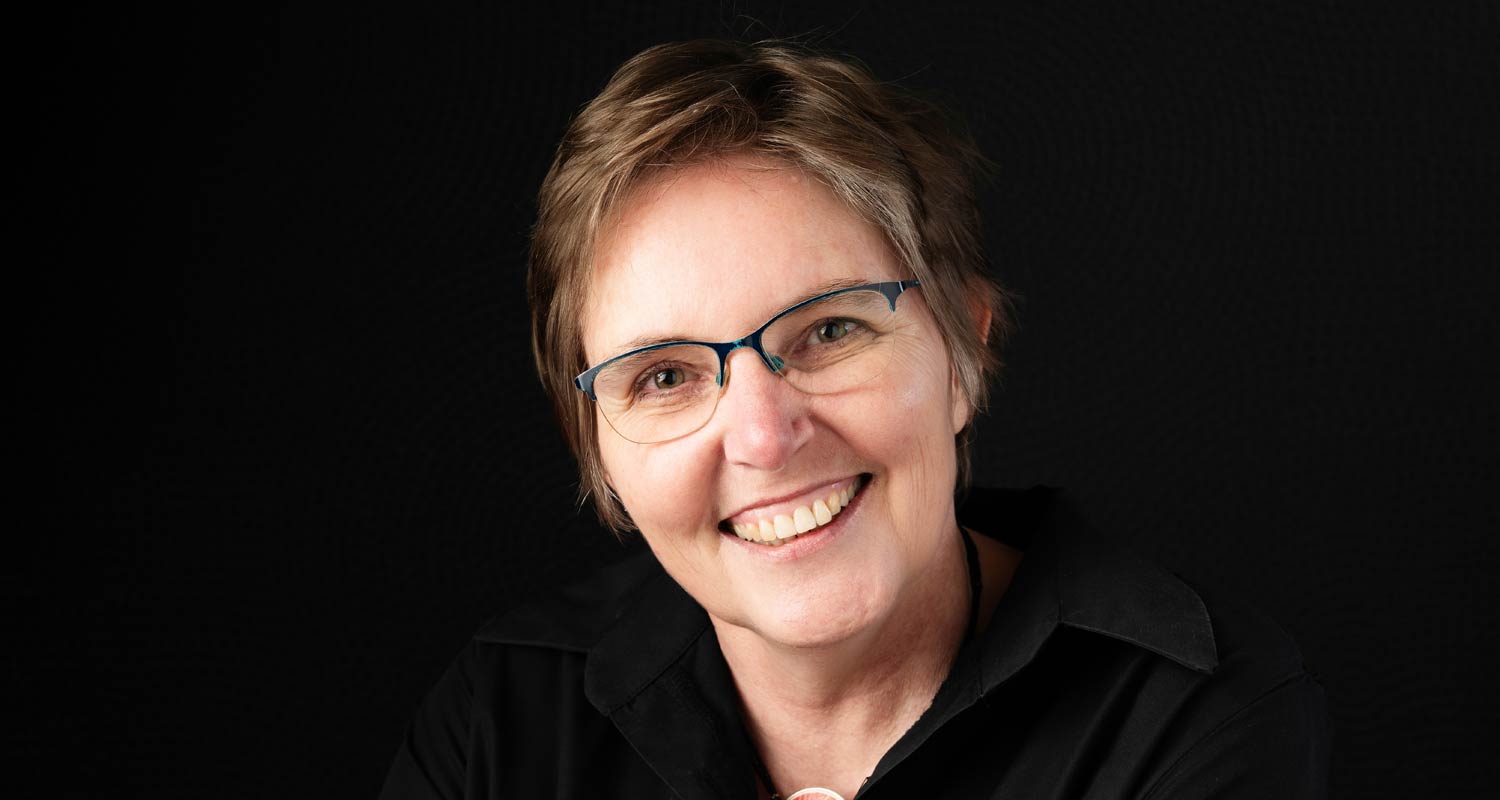
Akash Dusrath, science centre manager at the Sci-Bono Discovery Centre, agrees that the biggest challenge is at the foundational phase. “We really haven’t invested enough at that level,” he said. “Things like literacy and numeracy form the basis of understanding more higher-level stuff, and that age group or phase in a learner’s life needs special focus.”
He told TechCentral that improving the quality of teachers and facilitators already at the early childhood development (ECD) phase will lead to improvements. “At an ECD level, you find that they just eat, sleep and play and there’s no real stimulation – which is actually what’s needed,” Dusrath said.
Roberts advocates for a shift to mother tongue-based bilingual education for maths, physical science and life science, saying it is long overdue. However, it will require significant investment to ensure quality bilingual materials for learning Stem subjects in African languages, as well as in English.
Various research shows how this shift boosts a learner’s cognitive development, understanding and confidence by eliminating language barriers in complex, abstract topics. There are currently several pilot projects in the Eastern Cape targeting improved maths results through mother tongue education and technology-assisted learning.
Public-private partnerships
“Stem success is not possible without a strong maths and language foundation,” Roberts said. “In South Africa, that foundation is in two languages – our children’s mother tongue, with a gradual induction into English. It is simply not possible to learn maths in a way that makes sense if one is learning it in a ‘foreign’ language.”
All three experts agree that public-private partnerships are vital in boosting Stem learning and teaching. These partnerships can sponsor bursaries for teachers in Stem education, provide funding for science laboratories and computer training at school level, and work closely with tertiary institutions to foster mentorship programmes.
Read: SA tech graduates arrive in jobs unprepared as skills gap widens
Public and private sectors should provide resources to support internet access and access to technological devices, provide input on curriculum changes, and collaborate on career guidance initiatives in schools.
At the University of Pretoria, the Ebit faculty focuses its recruitment on grade 6-12 learners. Its next open day on 7 March will focus on how engineers, scientists, IT specialists and built environment specialists work together to restore, maintain and develop sustainable resources to protect the planet for future generations.
Learners are guided in choosing the right subjects, while their older schoolmates are exposed to careers, industry input and the real world to motivate them and make them aware of the future that exists once they choose Stem study fields.
Asked about the advantages of technology-enhanced learning, such as integrating digital tools, platforms and AI to improve learning, Roberts opined that it has always been oversold as a panacea for much, which is difficult in education. She said education is fundamentally a human endeavour, and we cannot take technical shortcuts.
She said education is helpful with repetitive administrative tasks and creating communication networks. “In my view,” Roberts said, “the adults who support the schooling system should be using technology. This administration and communication potential is far more important than having devices in children’s hands.
“Globally we are seeing a return to paper-based learning materials and bans on technology devices among learners in schools. We do not need to invest in technology for children (birth to 15 years old), but the adults who care for these children should be able to use technology to better support them.”
South Africa’s Stem challenge is no longer about recognising the problem; it is about acting decisively. Weak foundations in literacy and numeracy, gaps in teacher preparation and uneven resource allocation are constricting the math and science pipeline long before matriculation. A record pass rate does not mean much if fewer learners are equipped to pursue pure maths and science at university. Incremental fixes will not reverse decades of structural weakness.
Read: Warning that AI could hit first-time jobseekers hardest
If South Africa wants an innovation-driven economy, the reform must start at the base – and it must be bold. – © 2026 NewsCentral Media
Get breaking news from TechCentral on WhatsApp. Sign up here.