



Just months after securing US$72.9-million (R1.2-billion) in a landmark settlement with shareholders of former local biotech Kapa Biosystems, the Technology Innovation Agency (TIA) this week revealed plans to use the funds to support local innovation projects.
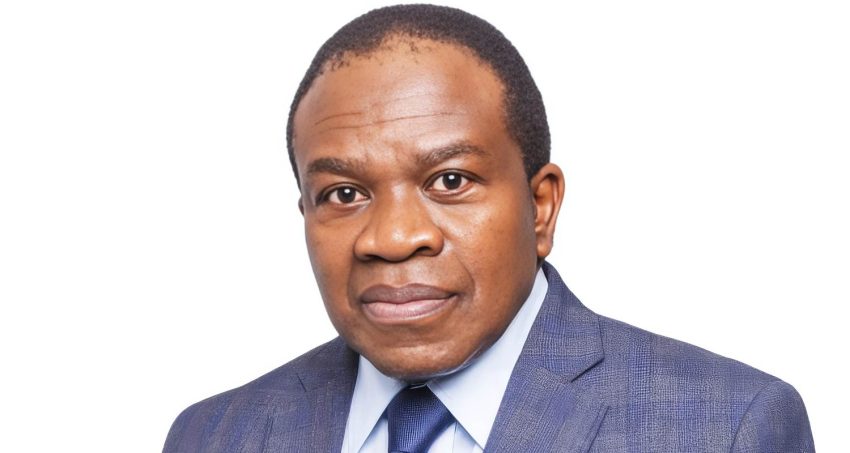
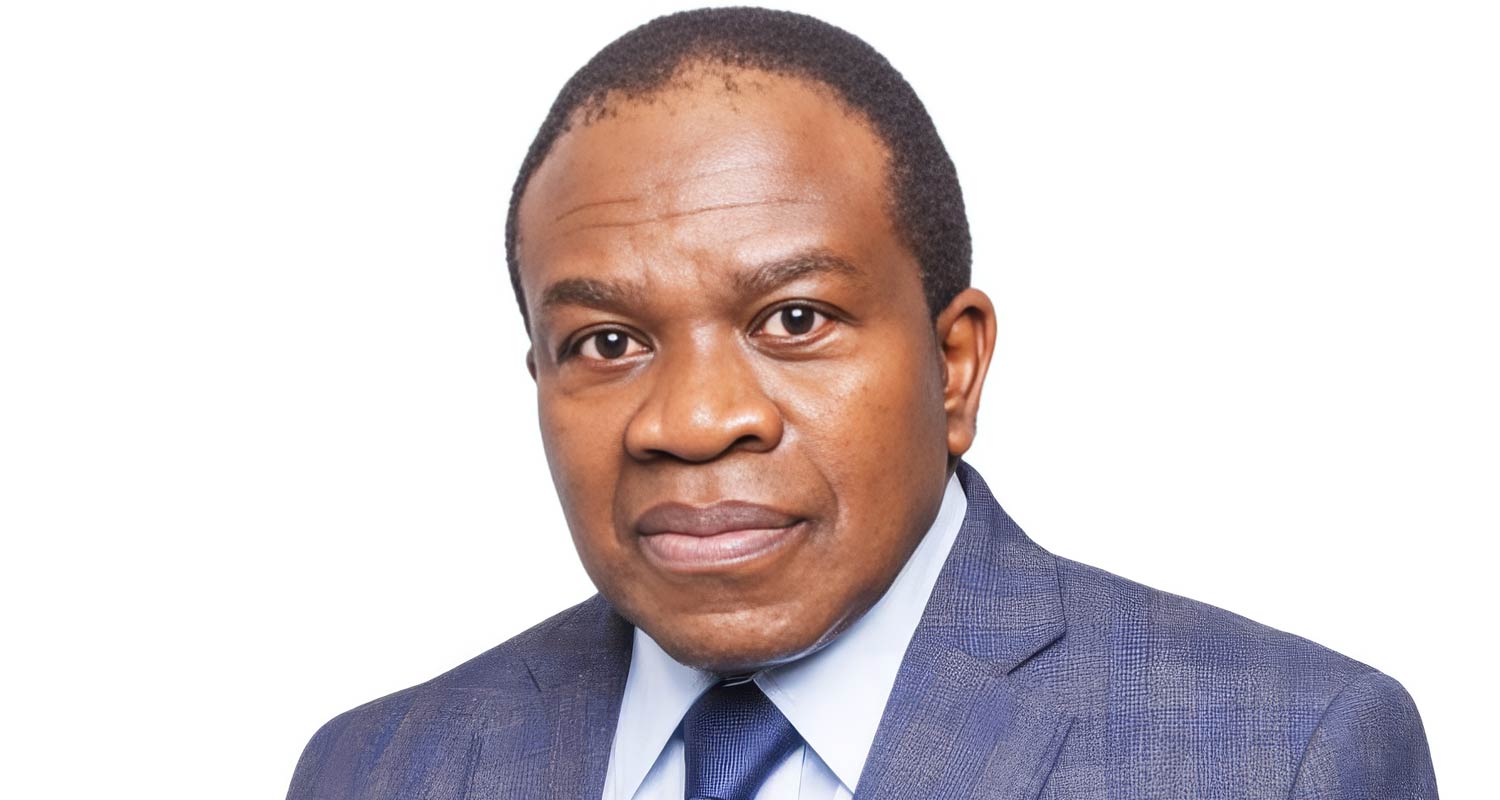
TIA CEO Titus Mathe, appointed to head the state-owned agency in April, told a media engagement in Sandton last week that the agency had received the settlement payment in February.
The settlement stems from TIA’s sale in 2015 of its 49% stake to Kapa shareholders for $4.9-million, before those shareholders sold the start-up to Swiss pharmaceutical giant Roche just eight months later for $445-million, as disclosed in Roche’s 2015 financial report.
The sale remains one of the biggest local start-up exits, likely second only to Mark Shuttleworth’s $575-million sale of Thawte to VeriSign in 1999.
The saga has its genesis in March 2006, when the then Cape Biotech Trust – which two years later merged with several other local innovation centres to form TIA – invested R24-million in the Cape Town-based Kapa Biosystems (Pty) Ltd, a South African subsidiary of Kapa US, in return for a 49% stake.
The investment was meant to fund the development of novel protein-based products. The research ultimately produced novel DNA polymerases, which help duplicate the DNA content of a cell during cell division and are critical to many biotech applications.
TIA says it discovered Kapa’s sale to Roche on 30 November 2015 only later through media reports. Executives then cried foul, alleging the agency had been short-changed by hundreds of millions of rands.
‘Big success’
After an inquiry by the then science & technology minister Naledi Pandor, TIA in August 2018 launched a claim against the shareholders and directors of Kapa US, including co-founder Paul McEwan, who now lives in the US and did not respond to a request for comment sent via LinkedIn and e-mail.
The $72.9-million comprises the $39.5-million awarded in arbitration on 5 July 2024, together with interest at 10.25%/year since November 2017, Mathe told TechCentral. He said the matter first went to arbitration in January 2023.
Following an appeal, the arbitration appeal tribunal – a panel of three arbitrators – dismissed Kapa US’s appeal, confirming TIA’s entitlement and awarding additional legal costs. The claim was founded on TIA’s contractual entitlement to a share of the proceeds, not on any proven wrongdoing by Kapa’s shareholders.
Read: VC investments in tech see big growth in South Africa
At last week’s media engagement, Mathe called the settlement a “big success for the country” and a “model” for all TIA investments going forward.
“So, we are now looking at existing contracts and are also going to be looking very carefully at future contracts … these are public funds … so that we protect the investment that we are making as a state-owned entity,” he said.
He said the agreement TIA struck with Kapa on investing in the start-up entitled the state entity to a 10% beneficial interest in the Kapa group, including 10% of any value received on a disposal of the business.
The settlement – covering both the claim and the interest – followed a lengthy arbitration in which the arbitrator ruled in TIA’s favour, with the amount paid out after Kapa shareholders’ appeal was dismissed in December 2025.
Commenting on the announcement, local ecosystem players this week said the settlement should be celebrated by South African innovators. However, they also raised concern over TIA’s plan to treat the case as a model going forward, with one accelerator head, who asked not to be named, describing this as potentially “problematic”.
Innovators and entrepreneurs could be reluctant to approach the agency for funding if there was a good chance of being sued, he said.
A veteran innovation consultant, who also asked not to be named as he works with TIA on several projects, said he was wary of how the settlement might shape the way the agency operates. He said TIA was known to be a difficult shareholder.
Kapa shareholders had first approached TIA in 2013 to buy out the agency’s stake. The consultant alleged that the Kapa team had battled with TIA for some time before the acquisition and had bought out the agency ahead of the Roche deal to ensure a future sale could proceed.
Mark Fyvie, the former CEO of Cape Biotech Trust, who helped negotiate the deal, has previously alleged that McEwan told him there was no Roche deal on the table when TIA sold its stake.
Allegations
He has also alleged that Roche was in a bidding war with rival suitors over next-generation sequencing, and that this allowed McEwan and his fellow Kapa shareholders to sell the company for many times the value it was purported to be worth when they bought out TIA. It’s unclear whether this was indeed so, and McEwan did not respond to TechCentral’s request for comment.
However, Mathe told TechCentral the intention behind the settlement is not to deter innovation or discourage private sector participation, but to strengthen governance, accountability and clarity in TIA’s funding relationships.
Read: VC funding in South Africa bucks international trend
He said the idea of using the matter as a “model” related to improving commercial discipline at the agency, standardising contractual frameworks and ensuring greater certainty for both TIA and its partners.
“This includes clearer terms on governance, performance milestones and exit mechanisms – elements which are standard practice in both public and private investment environments,” he said.
TIA now placed greater emphasis on independent, multi-source valuations, enhanced verification of underlying assumptions and deeper commercial and financial due diligence in all transactions, he said.

He also pointed out that the investigations conducted and the evidence presented during the hearing were scrutinised, and that no evidence was found of misconduct by any TIA employee that might have influenced the valuation or sale of its stake.
Yet at a time when government is cutting allocations to some departments and public entities, TIA’s budget has ballooned to more than three times its initial allocation of R458.8-million for the current financial year, thanks to the settlement, which TIA said it had budgeted to spend over several years.
Read: R300-million seed fund launched for tech start-ups in South Africa
Mathe on Tuesday said the agency would use the R1.2-billion to implement a new strategy involving blended finance and closer collaboration with local ecosystem players such as universities, accelerators and technology support centres.
He told TechCentral that while the settlement funds had been fully committed to a number of interventions, they had not yet been disbursed.
Deploying the funds
TIA is deploying the funds as follows, he said:
- R300-million will support a fund-of-funds approach to unlock private capital and strengthen South Africa’s VC ecosystem.
- R277.4-million will go towards strengthening its technology stations and innovation platforms networks.
- R233.1-million has been allocated to inclusive, grassroots innovation at community level.
- R220-million will scale priority innovation platforms such as the uYilo e-mobility programme, climate change and critical minerals innovations.
- R137.3-million will support TIA’s seed fund and commercialisation hubs to ensure a steady flow of investable, high-impact innovations.
- R61.8-million will support the development of local AI infrastructure, platforms and innovation capacity to strengthen the country’s technological sovereignty, build domestic capability and enable public-interest applications of AI across the economy. — (c) 2026 NewsCentral Media