


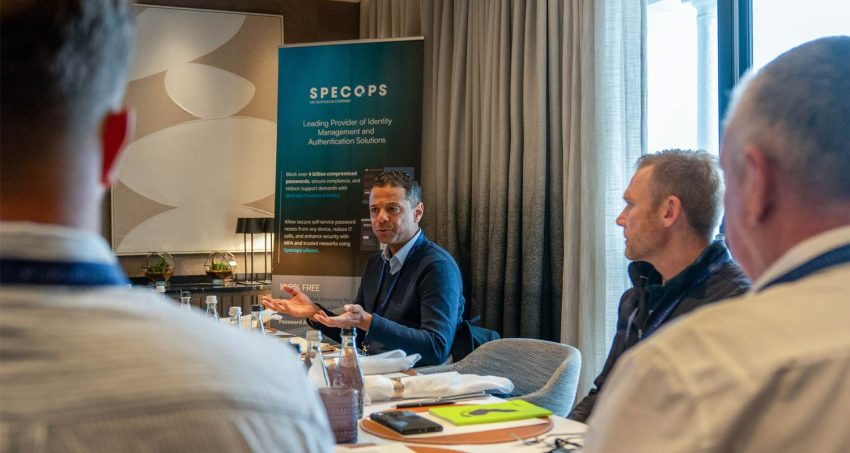
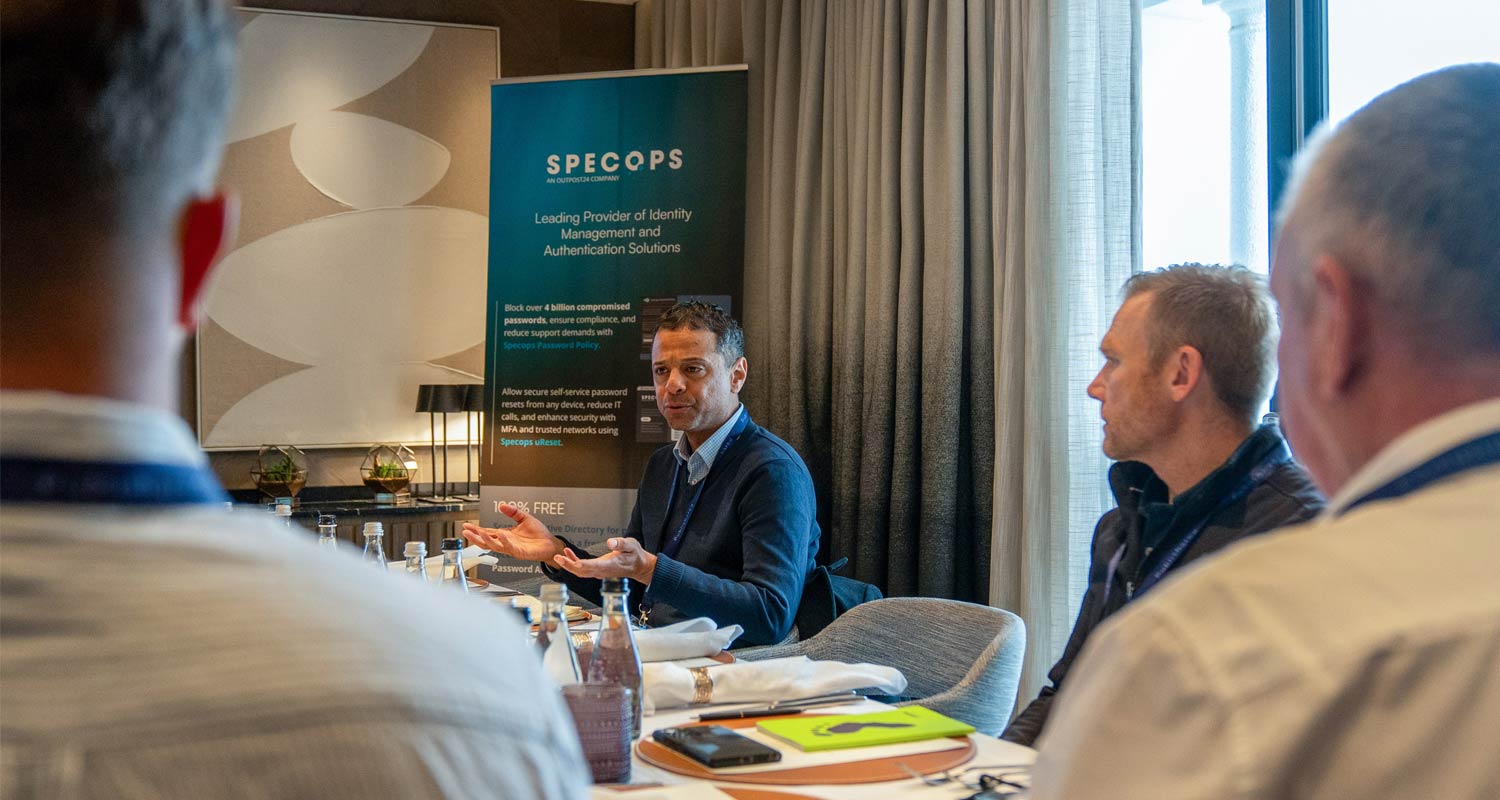

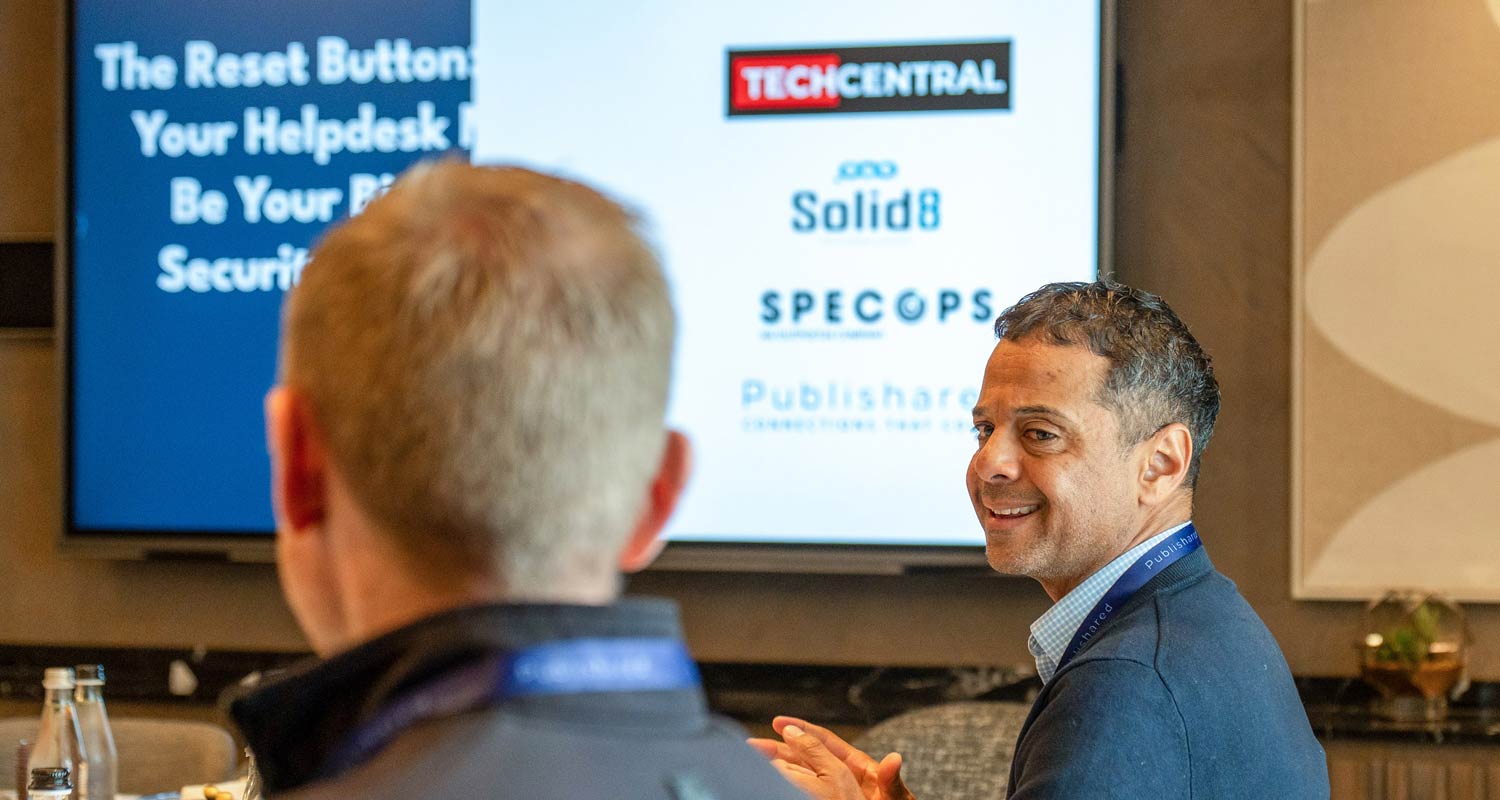
Specops Software and TechCentral brought a room of senior executives together at the Park Hyatt Johannesburg on Thursday, 7 May, to dissect the password reset call. The verdict was uncomfortable: in many South African organisations, the helpdesk is no longer support. It is the most exploited gateway to identity and access.
The consensus for years has been that the cybersecurity battle is won and lost at the perimeter: at firewalls, endpoints, identity platforms and the slick zero-trust architectures that boardrooms now fund without flinching.
And yet, look at where the attackers are walking in.
They are walking in through the service desk. A phone call, a friendly voice, a few well-rehearsed personal details and a password gets reset. The breach is not technical. It is human, procedural and quietly devastating.
That was the uncomfortable thesis at “Anatomy of a Reset”, a senior-led discussion hosted by Specops Software and TechCentral at the Park Hyatt Johannesburg on Thursday, 7 May, where executives gathered to interrogate a blind spot that most organisations would rather not look at.
The roundtable structured around four uncomfortable questions: what lives beyond the dashboard, what an attack looks like in flight, what identity integrity really means at the reset layer and who in the organisation is accountable when the helpdesk becomes the entry point.
Not even close
The room was unanimous on one point: helpdesks are now a primary attack surface, and traditional identity verification (the security questions, the “mother’s maiden name”, the employee number read back over a line) is no longer fit for purpose. It is not even close.
Standard policies, several participants said, are creating a false sense of security. Strong on paper. Hollow at the point of attack. Attackers know it, and they are applying pressure through social engineering and rushed verification to bypass even the strongest credentials.
Now consider what happens beyond the dashboard.
Most CISOs review their security posture through a controlled view: identity platform metrics, MFA coverage, endpoint health, incident response SLAs. The dashboards look reassuring. But the password reset call, the moment a human voice asks another human voice to override a control, does not show up cleanly in any of them. It is the gap between the policy layer and the operational layer.
That gap is where the attack lives.
“A modern attacker does not need to defeat your firewall. They need to defeat your service desk script.”
The anatomy of a modern reset attack is almost embarrassingly simple. LinkedIn for the org chart. A breach data dump for personal detail. A voice-cloning tool trained on a 20-second clip. A friendly call to a service-desk agent already under ticket pressure. The credentials change hands in three minutes. The lateral movement starts before the agent has logged the next ticket.
Then there is the visibility problem. Several participants said the helpdesk is rarely on the executive radar in the way that ransomware, cloud security or compliance are. It sits in operations, not in the board pack. It is treated as a cost centre, not a control point.
The accountability question kept resurfacing. When the breach happens through a password reset, who owns it? The CISO whose policy was strong? The IT manager whose helpdesk handled the call? The service desk agent who did what their script told them to do? In most organisations, the lines are not drawn, and that is exactly why the gap persists.
This matters because the helpdesk is exactly where attackers are choosing to engage. According to multiple industry reports, a significant proportion of high-profile breaches over the past 18 months (globally and in South Africa) have reportedly involved helpdesk compromise as the first move. Not malware. Not zero-days. A phone call.
The problem is not that organisations lack security tooling. The problem is that the tooling stops at the technical edge of the network and does not extend into the human edge, where service-desk agents are still being asked to make trust decisions in seconds, often without the right verification stack behind them.
None of this is to say South African organisations are negligent. Many are deeply invested in cybersecurity and run mature programmes. “Anatomy of a Reset” was not an indictment, it was a recalibration. The point was that the threat model has shifted faster than helpdesk operations have, and the gap has become commercially material.
But look at the fundamentals.
A modern attacker does not need to defeat your firewall. They need to defeat your service-desk script. The cost of that defeat is full credential access, lateral movement and a ransomware note by Friday.
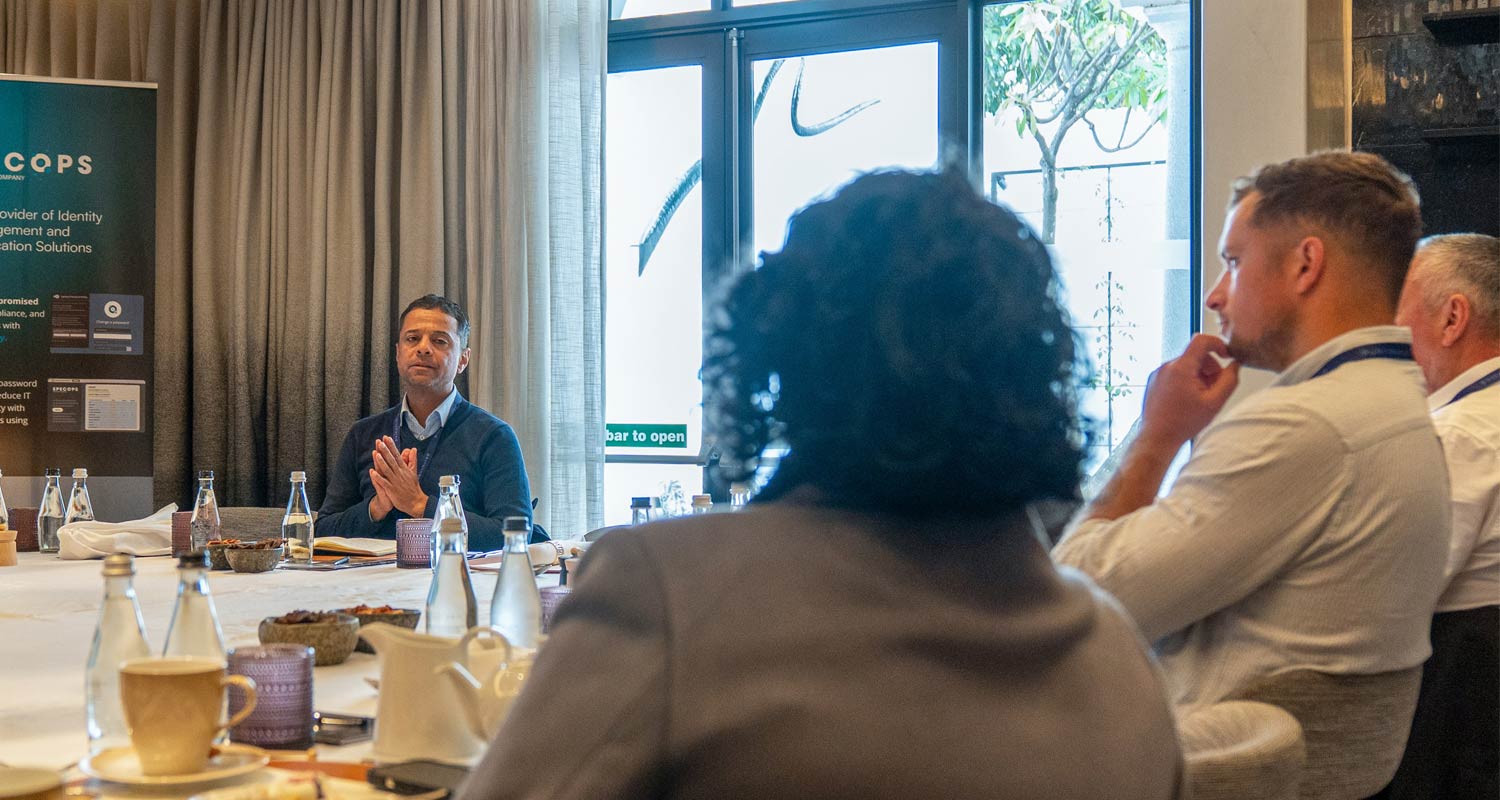
The room’s closing position was direct. Securing the service desk is no longer a technical housekeeping issue. It is a strategic priority. It requires three things: stronger verification protocols at the password reset layer, greater executive awareness so this risk lives in the board pack rather than buried in a service ticket, and a structural shift towards integrating security into service delivery rather than bolting it on afterwards.
In other words, the helpdesk is no longer a back office. It is the front door.
Whether South African organisations move on that recognition in the next 12 months, or wait for the breach that forces the conversation, will be one of the more instructive cybersecurity stories of the year ahead.
If you want to learn more about Specops or see a demo, fill in the form and we will get into contact with you within 24 hours.
- Read more articles by Specops on TechCentral
- This promoted content was paid for by the party concerned