South Africa risks being pushed back onto the Financial Action Task Force (FATF) grey list because its anti-corruption reforms have stalled, Business Leadership South Africa (BLSA) has warned in a stern rebuke of government inaction.
In its quarterly Reform Tracker released on 28 October 2026, BLSA said overall reform completion inched up from 71.3 to 72.5 in the July-to-September quarter — its highest level since monitoring began in March 2024. But corruption reform flatlined at 51.2, with no deliverables advancing.
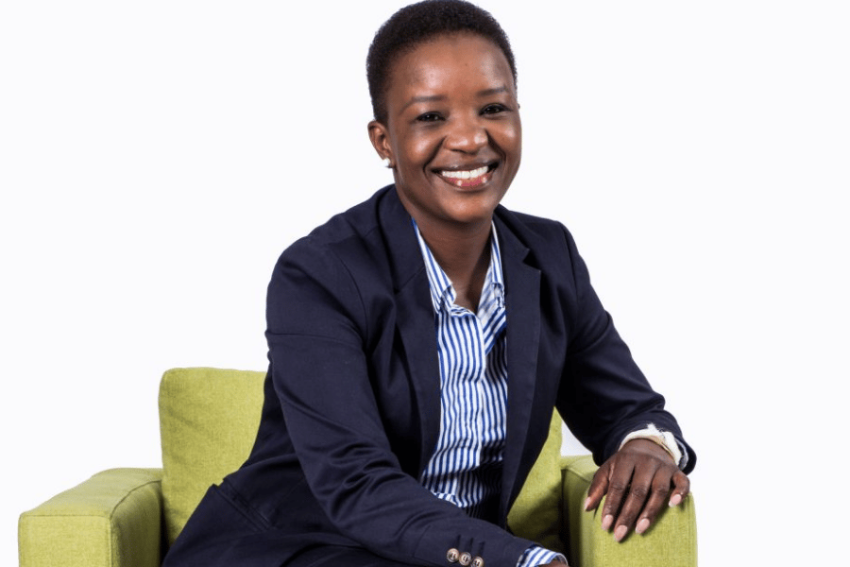
CEO Busisiwe Mavuso welcomed the broader momentum but said it masked failure at the centre of the fight against financial crime.
“In the previous quarter, I was concerned that more reforms were losing ground than advancing, so it is heartening to see that reversed,” she said.
“It’s also encouraging to see progress in water, energy and transport. These are network sectors and it is crucial to eradicate dysfunctionality.”
That progress will count for little if the state fails to fix its criminal justice system, BLSA warned.
The caution comes as South Africa undergoes a new FATF mutual evaluation — due to conclude in October 2027 — following its removal from the grey list in October 2025. The evaluation will test whether improvements in investigating and prosecuting money-laundering networks have been sustained.
BLSA flagged persistent weaknesses: the inability to effectively investigate organised crime, secure successful prosecutions and recover criminal assets. Criminal justice reform barely moved, from 84.2 to 84.5.
It also cited concerns raised by Ismail Momoniat, who led South Africa’s campaign to exit the grey list, that law enforcement failures could undo that progress.
A return to increased monitoring would bring renewed international scrutiny, reputational damage and higher compliance costs for banks and businesses.
Elsewhere, reforms showed momentum. Electricity rose from 67.8 to 69.4, freight logistics from 69.6 to 72.5, and financial sector reforms from 88.1 to 89.5.