
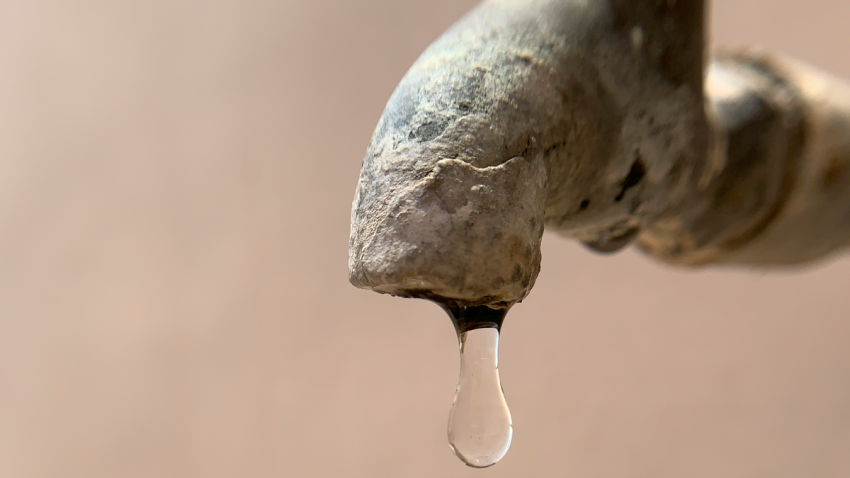
Western Cape municipalities are being urged to introduce precautionary water restrictions ahead of summer as concerns grow over declining dam levels and increasing demand.
The provincial government has recommended Level 1 water restrictions by 15 November 2026, with Level 2 restrictions advised by 1 December for areas facing greater pressure on their water supply.
According to CapeTownETC, the recommendations follow a statement issued on 28 October by Western Cape Local Government Minister Anton Bredell, aimed at protecting water supplies before temperatures and consumption increase.
Dam levels raise concerns
The warning comes as the Western Cape prepares for hotter weather and the possibility of below-average rainfall.
Provincial dams were reportedly 79% full on 26 October, compared with 80.5% during the same period last year.
The Greater Cape Town water supply system recorded a more significant decline, with storage levels falling to 73.2%, compared with 87.8% a year earlier.
These figures have raised concerns about whether existing reserves will be sufficient to meet demand throughout the coming summer months.
Despite the warning, Bredell has stressed that the province is not experiencing a water crisis.
“This is a precautionary step. We are not in a province-wide water crisis,” he said.
What restrictions mean for residents
The proposed restrictions are intended to reduce unnecessary water consumption and protect available supplies.
However, the recommendations do not mean every municipality will introduce identical restrictions on the same dates.
Local authorities will determine which measures are appropriate for their areas, meaning residents should monitor official municipal announcements.
Municipalities operating higher-risk water supply systems have been advised to introduce stronger measures by the beginning of December.
Residents urged to save water
The City of Cape Town has already called on households to reduce water consumption by at least 10% throughout summer and into the following winter.
Residents are encouraged to repair leaking taps and pipes, limit unnecessary garden watering and avoid wasting water during daily activities.
The provincial government’s approach focuses on reducing pressure before water supplies become critically low.
For now, the proposed restrictions remain precautionary, with municipalities expected to communicate the measures applicable to their communities.

I’m a writer, editor and software developer at Newsroom ZA.
I build things, break them (on purpose), then turn the chaos into clean, readable stories. You’ll usually find me bouncing between breaking news, politics and entertainment.