

Over the past decade, traditional printwear across the Global South, most notably African wax prints (Ankara), Indigo Shweshwe, Ghanaian Kente, and Ndebele geometric motifs, has undergone a profound structural shift.
Also see: SJAVA TO MAKE HISTORY ALONGSIDE MAXHOSA AFRICA AT PARIS FASHION WEEK
Once restricted to ceremonial events, rites of passage, and formal cultural gatherings, traditional prints have successfully transitioned into mainstream daily fashion, corporate workwear, and urban streetwear.
This evolution is not merely a stylistic trend; it is backed by extensive ethnographic research, sociological analyses, and market assessments from university researchers and cultural organisations.
The de-colonial reclaiming of daily dress
In ethnographic studies examining cultural preservation, such as research published through UNISA Press analysing ethnic groups across the continent, scholars emphasise that attire functions as the single most visible symbol of cultural identity.
Historically, European colonisation enforced a narrative that Western formal attire represented ‘civility’ and professional competence, effectively relegating traditional garments to rural settings or ceremonial weekends.
Cultural theorist Dr Sandra Klopper and researchers at the National Heritage Council of South Africa (NHC) point out that younger generations are actively dismantling this binary.
Integrating traditional prints into a Tuesday commute or corporate office setting serves as an intentional act of visual decolonisation and cultural pride. Research published by Dr Sabelo Ndlovu-Gatsheni in South African humanities journals highlights that urban professionals increasingly view heritage clothing not as a ‘costume’ reserved for holidays, but as a living, daily declaration of identity.
Design evolution and silhouette hybridity
According to textile historians like Dr Erica de Greef, co-founder of the African Fashion Research Institute (AFRI), and analysts at the International Textile and Apparel Association (ITAA), the primary catalyst enabling traditional prints to penetrate everyday wear is silhouette hybridity. This is the practice of applying traditional print textiles to contemporary, ergonomic Western garment structures.
Also see: 5 BLACK-OWNED SOUTH AFRICAN FASHION LABELS REDEFINING CONTEMPORARY STYLE
Rather than full-length ceremonial robes or multi-layered wraps, contemporary designers like Lukhanyo Mdingi and Laduma Ngxokolo of MAXHOSA Africa utilise indigo Shweshwe or Ankara prints to craft structured blazers, pencil skirts, and tailored button-downs. A single printed blazer paired with neutral corporate trousers allows professionals to navigate conservative corporate dress codes while maintaining cultural confidence.
The storytelling code and non-verbal language
Sociological studies on textile communications from the Design Achievement Awards Network and the School of Arts at the University of the Witwatersrand (Wits) emphasise that traditional prints carry encoded language.
Translating these prints into daily clothing allows wearers to engage in silent cultural storytelling throughout their day.
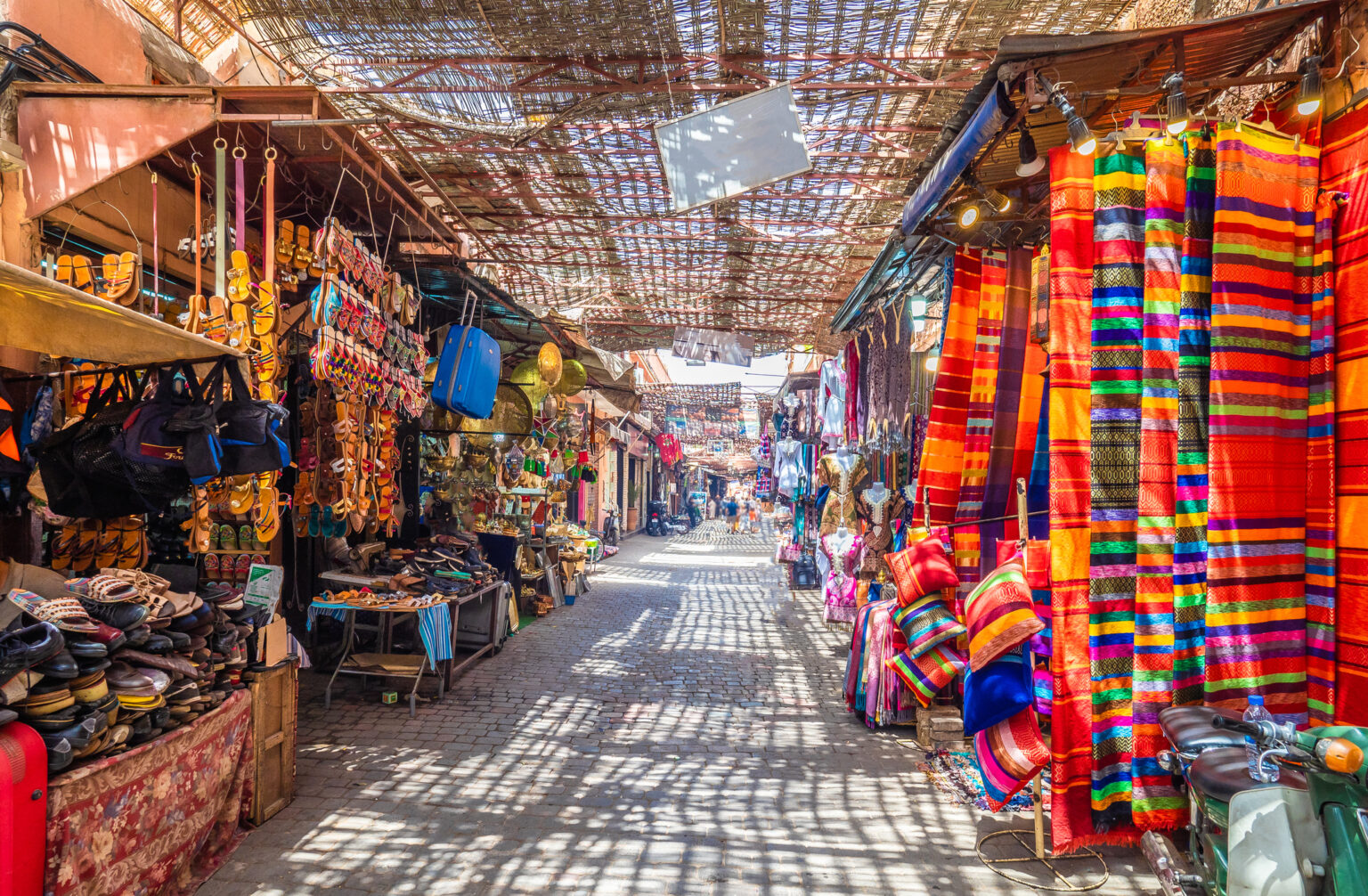
In Southern African design studies conducted by Dr Juliette Leeb-du Toit, specific colour palettes retain ancestral meanings, such as red for vitality, green for growth, and black for ancestral connection. Modern designers weave these colour stories into urban apparel so that everyday wearers maintain a tangible link to heritage during routine tasks.
Similarly, Ndebele geometric patterns analysed by cultural preservationist Dr Esther Mahlangu and West African Adinkra symbols documented by the Ghana National Museum encode community identity, proverbs, and philosophical values.
Wearing these motifs on structured modern silhouettes converts ordinary apparel into a medium for historical preservation and non-verbal expression.
Ethical consumption and local preservation
Fashion researchers at the Council of Fashion Designers of America (CFDA) and advocacy groups like Fashion Revolution South Africa stress that the rise of daily print fashion carries ethical responsibilities.
Industry surveys published by the Fashion Industry Academy of South Africa (FIASA) indicate that approximately 75% of local fashion designers feel a direct personal responsibility to preserve traditional weaving and dyeing techniques.
Experts like Lucilla Booyzen, founder of SAFW, emphasise that consumers should understand the history and origin of the prints they wear daily, ensuring respect for the artisans and communities behind the cloth.
Also see: FROM RUNWAY TO REAL LIFE: FASHION TRENDS TO TRY THIS SEASON

About the writer
Rhaees Hanslo
Rhaees Hanslo, an entertainment, lifestyle and narrative writer wrapped up all in one, joined the BONA team in 2026 as an editorial intern. To contact Rhaees, email rhaees.hanslo@habarimedia.com