
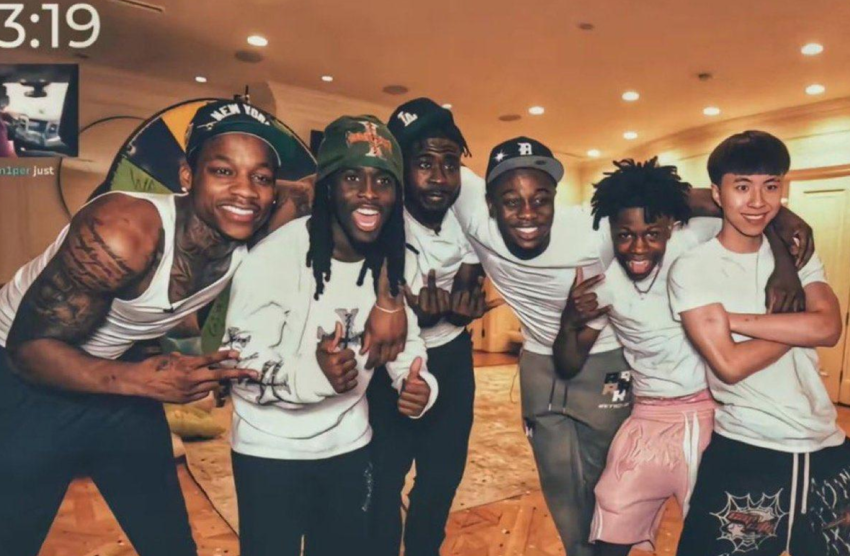
The internet is watching the Clover Boys fall apart in real time. But beneath the leaked messages, accusations and increasingly public fallout between Kai Cenat and Reggie sits a question that extends far beyond either creator: what happens when your friendship group becomes your career?
Reggie has publicly described feeling excluded from the Clover Boys and has now said he is stepping away from Twitch, while shifting his content towards YouTube. Kai Cenat has denied the serious allegations made against him and said he intends to pursue legal action. Other individuals named in the dispute have also denied allegations made against them. No public evidence has established the most serious claims.
But the most revealing part of the story may be what happens when someone leaves.
For traditional employees, leaving a workplace can mean losing a salary, colleagues and access to an office. For creators embedded in a collective, the boundaries can be considerably less obvious.
The group can be the workplace, social circle, content pipeline, audience network and source of collaboration at the same time.
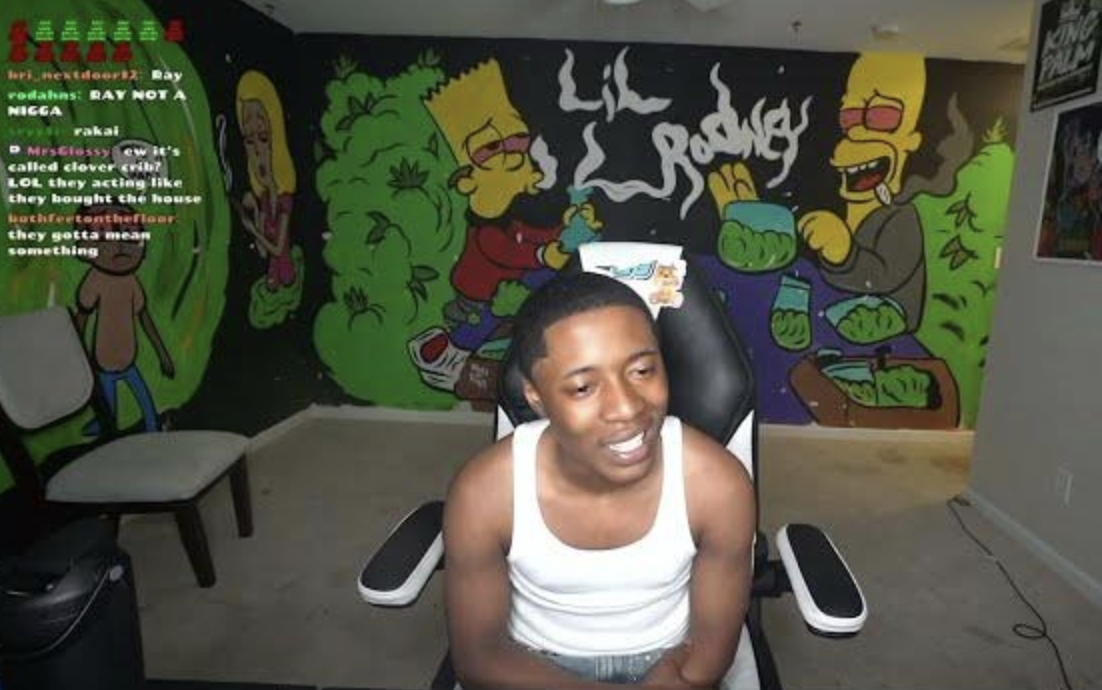
Clover Boys has already demonstrated how far that ecosystem can extend. Its inaugural Clover Fest brought the collective into a live entertainment space alongside established music acts, showing how streaming communities can evolve into events, brands and commercial platforms beyond individual livestreams.
That raises an uncomfortable question for the creator economy: can you actually leave a collective without leaving behind part of your career?
When friendships become collaborations, collaborations become businesses and businesses develop their own audiences, a personal falling-out can suddenly have professional consequences.
The Clover Boys dispute may eventually be remembered for its allegations and legal threats. But its bigger lesson could be about something less sensational: the risks of building a career inside a network where the lines between friend, colleague, business partner and brand can disappear.