

Extreme weather conditions can leave more than physical damage in their wake — they can also cause a significant financial setback for households that are not adequately prepared.
Damage to homes, vehicles and belongings, along with unexpected repair costs and possible loss of income, can quickly put pressure on already stretched budgets.
While you cannot always predict when severe weather will strike, taking a few practical steps in advance can help reduce the financial impact.
Also see: How your emotions are quietly wrecking your finances
For most South Africans, the emotional toll of weather destruction is worsened by the financial shock that follows.
“Our 2025 Money & Me survey revealed that only 16% of South Africans can cover a R10,000 emergency,” says Sarah Nicholson, head of customer experience at JustMoney. “Alarmingly, 25% would need a loan in such a situation.”
“Damage to homes, vehicles, and belongings can leave households scrambling for funds, while temporary accommodation, lengthy repair processes, and loss of income create further strain.”
Being prepared before disaster strikes, and knowing how to proceed if damage occurs, can significantly reduce the practical and financial impacts, says Nicholson.
JustMoney makes the following recommendations:
1. Review insurance cover
Check that your home, contents, and vehicle insurance policies are up to date, and that insured amounts reflect replacement costs. If you have made improvements to your home or bought expensive appliances, update your insurance.
2. Understand your policy
Read the fine print carefully and ask questions. Understand excess payments, exclusions, and claim procedures.
3. Create a home inventory
Photograph valuable possessions and keep copies of purchase receipts, serial numbers, and warranties.
Store these digitally in cloud storage or email them to yourself. This documentation can speed up insurance claims and help prove ownership of lost items.
4. Protect important documents
Identity documents, passports, insurance policies, wills, medical records, and banking information should be stored in waterproof packaging and digitally backed up.
5. Build an emergency fund
Extreme weather events can lead to unexpected expenses that insurance may not immediately cover.
An emergency fund can help pay for temporary accommodation, food, transport, and urgent repairs while you wait for claims to be processed. Financial advisers generally recommend saving enough to cover at least three months’ essential expenses.
6. Reduce property risks
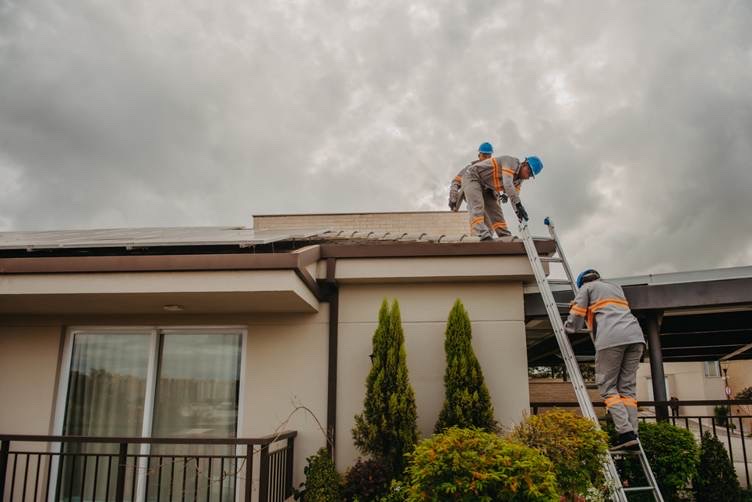
Clear gutters and stormwater drains, trim tree branches, secure loose outdoor items, and repair roof leaks before heavy rains are due.
Insurers may reject or reduce claims if damage resulted from long-term neglect or poor maintenance rather than the weather itself.
7. Prepare for power disruptions
Load-shedding has forced many South Africans to put backup plans in place. Keep power banks charged and emergency lighting accessible.
Also see: Start the new season on a clean budget: Tips to spring clean your finances
8. Develop an evacuation plan
Plan transport, emergency supplies, medication, and pet arrangements if you live in a flood-prone area.
9. Prioritise safety
Do not enter flooded or damaged buildings until authorities confirm they are safe. Loose cables, unstable walls, broken roofs, and contaminated water pose dangers.
10. Document damage immediately
Take photographs and videos of damage for insurance claims before starting clean-up or repairs.
11. Contact your insurer early
Many insurers experience surges in claims after widespread disasters. Check what documentation is required and whether emergency repairs may proceed before assessment. Keep records of every interaction, including claim reference numbers and emails.
12. Prevent further damage
Most insurance policies require policyholders to take reasonable steps to minimise additional losses, for example, covering broken roofs with tarpaulins and removing water-damaged items to prevent mould.
Keep receipts for emergency expenses as these may form part of your claim.
13. Beware of opportunists
Disasters can attract fraudulent contractors. Do not pay unknown service providers upfront.
Obtain written quotes and verify credentials before authorising repairs.
14. Seek temporary relief
Severe weather can disrupt income, especially for small business owners, contractors, and seasonal or part-time workers.
Contact creditors and financial institutions early if you expect to struggle with debt or contract repayments.
“Environmental experts warn that severe weather is no longer an occasional occurrence, but an increasing risk for households, businesses, and communities,” says Nicholson.
“Understanding where your family is vulnerable, and making small investments or policy changes now, can prevent major financial losses later.”
Featured image: Getty Images/Prostock Studio
Also see: Expert advice: How to become a minister of your finances
Be the first to know – Join our WhatsApp channel for content worth tapping into. Click here to join!