
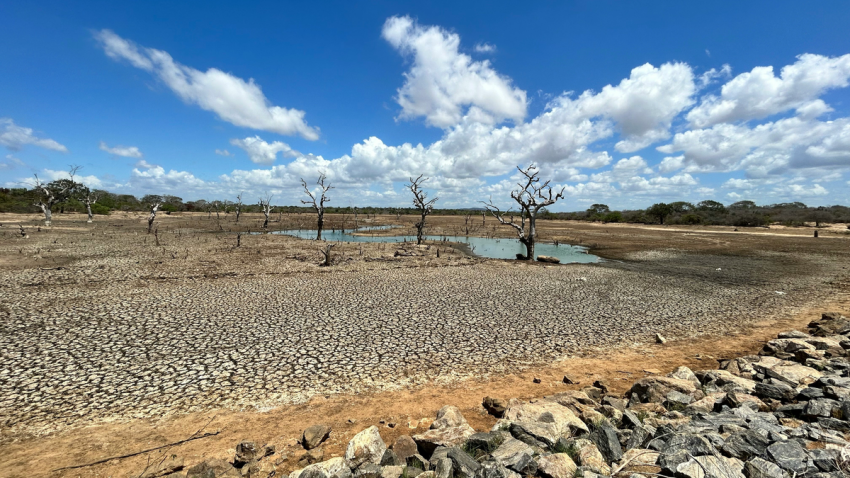
South Africans are being warned to prepare for a hotter and potentially drier summer as a strong El Niño continues to develop.
Climate forecasts point to above-normal temperatures and a greater risk of heatwaves between August and December 2026. Below-normal rainfall may also spread across much of the country’s summer rainfall region.
El Niño Could Become Extremely Strong
The ENSO Reference Group said El Niño is firmly established and could intensify into a strong or very strong event by late spring or early summer.
Sea surface temperatures in the Niño 3.4 region were already around 1.7°C above average, placing the event in the moderate category. Other forecasts suggest temperatures could rise further in key monitoring regions.
Investec chief economist Annabel Bishop said a climate forecast indicated a 97% probability of a super El Niño developing. The event could rank among the strongest recorded since 1950.
However, experts have stressed that El Niño events do not all behave in the same way. The exact rainfall and temperature effects cannot yet be predicted with certainty.
Agriculture Faces Growing Pressure
Farmers could face higher production risks and costs if prolonged heat and dry conditions continue into the 2026/27 summer crop season.
Grain SA warned that severe heat can cause rapid crop damage. Field crops such as maize depend heavily on rainfall, soil moisture and well-timed showers.
South Africa is entering the season in a stronger position than during previous droughts. Extended rainfall through May improved soil moisture, water tables and dam levels.
The country also recorded a strong 2025/26 harvest. The summer grain and oilseed crop was estimated at 21.49 million tonnes, while the maize harvest reached an estimated record 17.25 million tonnes.
Food Prices Remain a Concern
A poor growing season could place pressure on maize, cereal and meat prices. However, large grain stocks and improved water supplies may soften the impact on consumers.
Agricultural economist Wandile Sihlobo said the expected drought should not automatically be compared with previous crises. The timing of rainfall and the length of the dry conditions will determine how badly farms and food prices are affected.

I’m a writer, editor and software developer at Newsroom ZA.
I build things, break them (on purpose), then turn the chaos into clean, readable stories. You’ll usually find me bouncing between breaking news, politics and entertainment.