
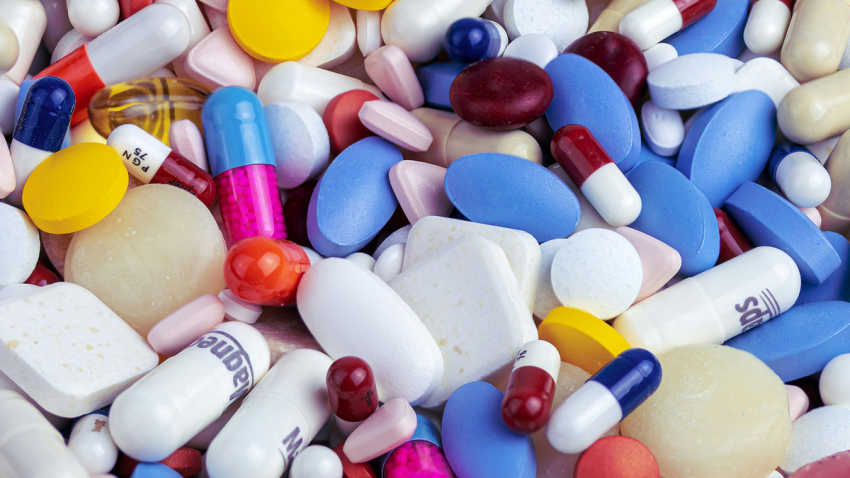
South Africa has been flagged in a growing global synthetic drug crisis, as new research warns that these markets are now present in 186 of 193 countries.
The Global Initiative Against Transnational Organized Crime’s new report, Synthetics and the New Drug World, found that synthetic drugs are now entrenched in 96% of countries worldwide. News24 reported that South Africa is playing a growing role as a transit and redistribution hub in this global network.
Why This Drug Trade is Harder to Stop
The report says synthetic drugs have changed the structure of the global drug economy.
Unlike cocaine and heroin, synthetic drugs do not depend on farming cycles or fixed growing areas. They can be made almost anywhere using precursor and pre-precursor chemicals sourced through both legal and illegal channels.
The report also notes that these drugs can move through the same logistics networks used for normal goods, making the market easier for criminal groups to enter. This has opened the door for both major transnational networks and smaller criminal operators.
South Africa’s Role Under the Spotlight
South Africa’s position as a transit and redistribution hub raises fresh concerns about organised crime, ports, borders and local drug markets.
A separate report by the South African Anti-Money Laundering Integrated Task Force also notes that South Africa has become a consumer, producer and transit country for drugs. It warns that the illicit drug trade harms the economy, social stability and public safety.
New Substances are Emerging
The GI-TOC report says the drug market is also becoming more unpredictable.
According to the report, the United Nations identified 688 new psychoactive substances in its latest reporting period, including 101 detected for the first time. The EU Drugs Agency is reportedly monitoring around 1,000 substances, with 47 newly identified.
Synthetic opioids, including fentanyl and nitazenes, have also been detected in several regions, raising major public health concerns.
Global Response is Under Pressure
The report warns that international cooperation is struggling to keep up.
It says no resolution reached consensus in the last two annual meetings of the Commission on Narcotic Drugs, showing deep divisions in the global response to the drug crisis.

I’m a writer, editor and software developer at Newsroom ZA.
I build things, break them (on purpose), then turn the chaos into clean, readable stories. You’ll usually find me bouncing between breaking news, politics and entertainment.