
OpenAI said on Friday it was delaying a full public launch of GPT‑5.6 at the US government’s request, limiting the AI model’s initial access to a small group of vetted partners whose details were shared with the authorities.
The decision underscores growing concern in Washington over the national security risks posed by powerful AI systems, with policymakers pressing companies to put guardrails around them.
By securing early access to frontier models, US officials claim they are aiming to identify threats ranging from cyberattacks to military misuse before the tools are widely deployed.
OpenAI said in a blog post that the limited release was a temporary step as it works with Washington on a broader framework for future launches. The ChatGPT maker presented its plans and the models’ capabilities to the government prior to the launch, it added.
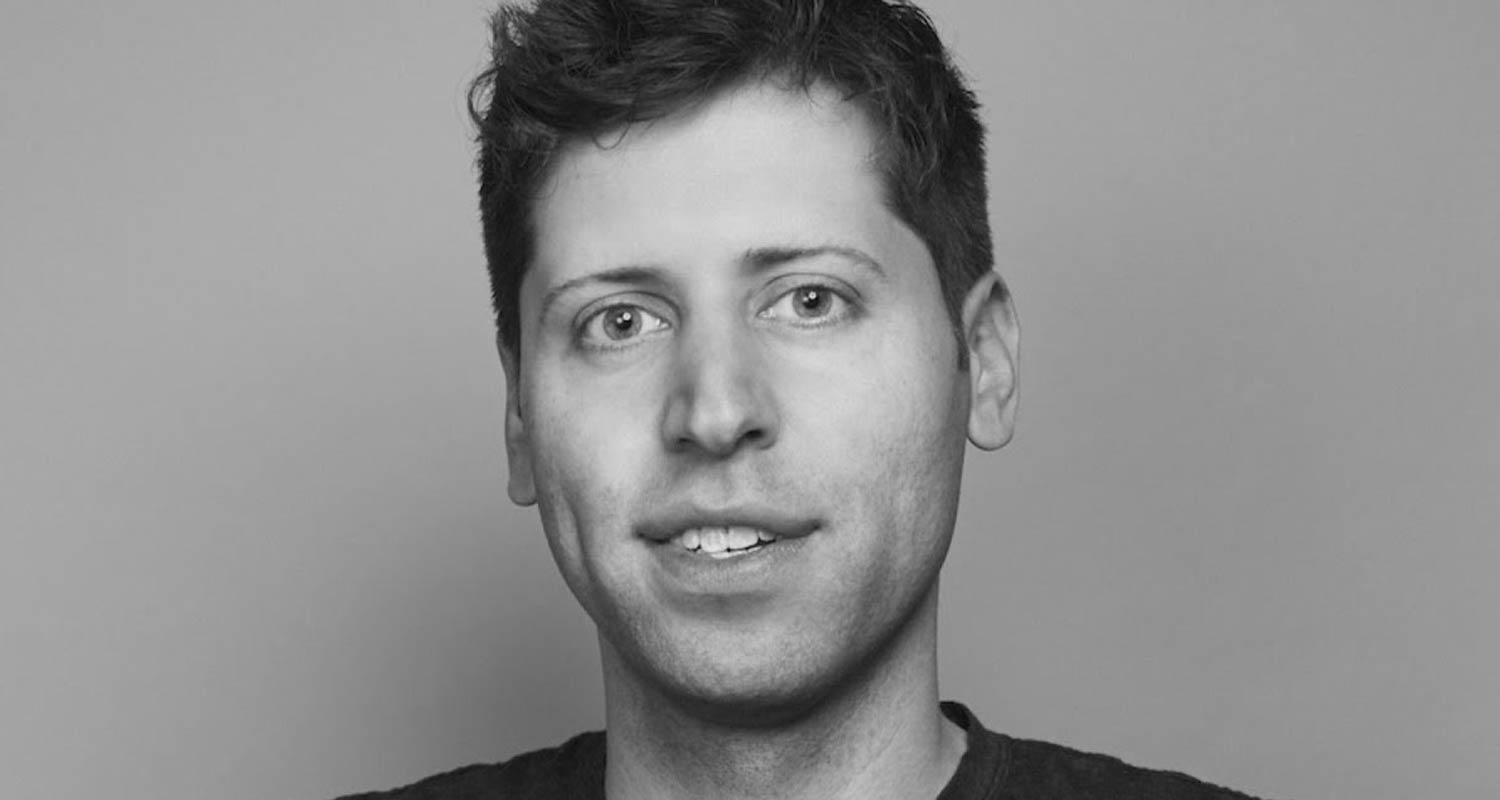
CEO Sam Altman said on X that extensive safety testing “is not a bad idea. I just don’t like the idea of the government picking the customers.”
US President Donald Trump signed an executive order earlier this month establishing a voluntary framework for AI developers to offer “covered frontier models” to the US government for up to 30 days before releasing them to trusted partners.
“We are taking this short-term step because we believe it is the strongest path to broader availability in the coming weeks, while we work with the administration to develop the cyber executive order framework and a repeatable process for future model releases,” OpenAI said.
Should not be permanent
The company said it would continue rigorous testing and close coordination with its partners as it prepares for a wider release, but cautioned that this level of government access and oversight should not become a permanent standard. It did not disclose the names of its partners.
OpenAI, however, expressed concern that such a process would restrict access to advanced AI tools for users including developers, businesses, cybersecurity professionals and international partners who could benefit from them.
At the centre of the new line-up is GPT‑5.6 Sol, OpenAI’s most advanced model yet, alongside mid-tier Terra and lower-cost Luna.
Read: OpenAI plans ChatGPT ‘super app’
Earlier this month, the US government ordered Anthropic to suspend access to its frontier AI models for foreign nationals, citing national security concerns. The Claude maker remains embroiled in a legal and regulatory battle with the government.
The Trump administration is close to allowing Anthropic to restore access to its Fable 5 model, Axios reported on Saturday, citing a source close to the situation. Anthropic and the White House did not immediately respond to requests for comment.
Anthropic had abruptly disabled its most advanced AI models — Mythos 5 and Fable 5 — for all users after the government’s 12 June export control order. Insiders expect the administration’s limits on Fable 5 could be lifted as soon as this coming week, the report said.
Conversations between the parties are expected to continue over the weekend, and Anthropic expects to restore Fable access soon, the report added, citing a second source.
Anthropic said on Friday that the US government has allowed it to release its Claude Mythos 5 model to some “trusted” US organisations, partially reversing an order two weeks ago to suspend access over national security risks.
Read: Anthropic vs OpenAI and the bitter battle for the future of AI
The government is also moving towards allowing Anthropic to release Fable soon, although a timeline is unclear, a source familiar with the directive said. Both Fable 5 and Mythos use the same underlying AI model, but Fable 5 is designed to be widely available for public use whereas some safeguards are lifted for Mythos. — Gnaneshwar Rajan, (c) 2026 Reuters