
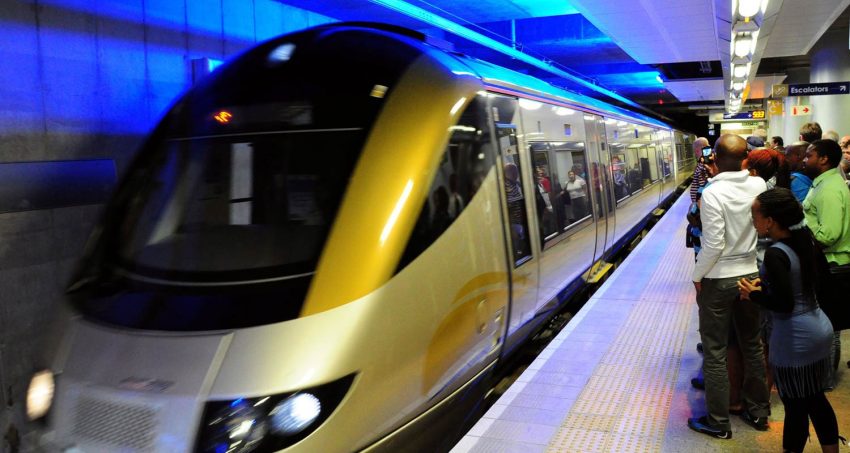
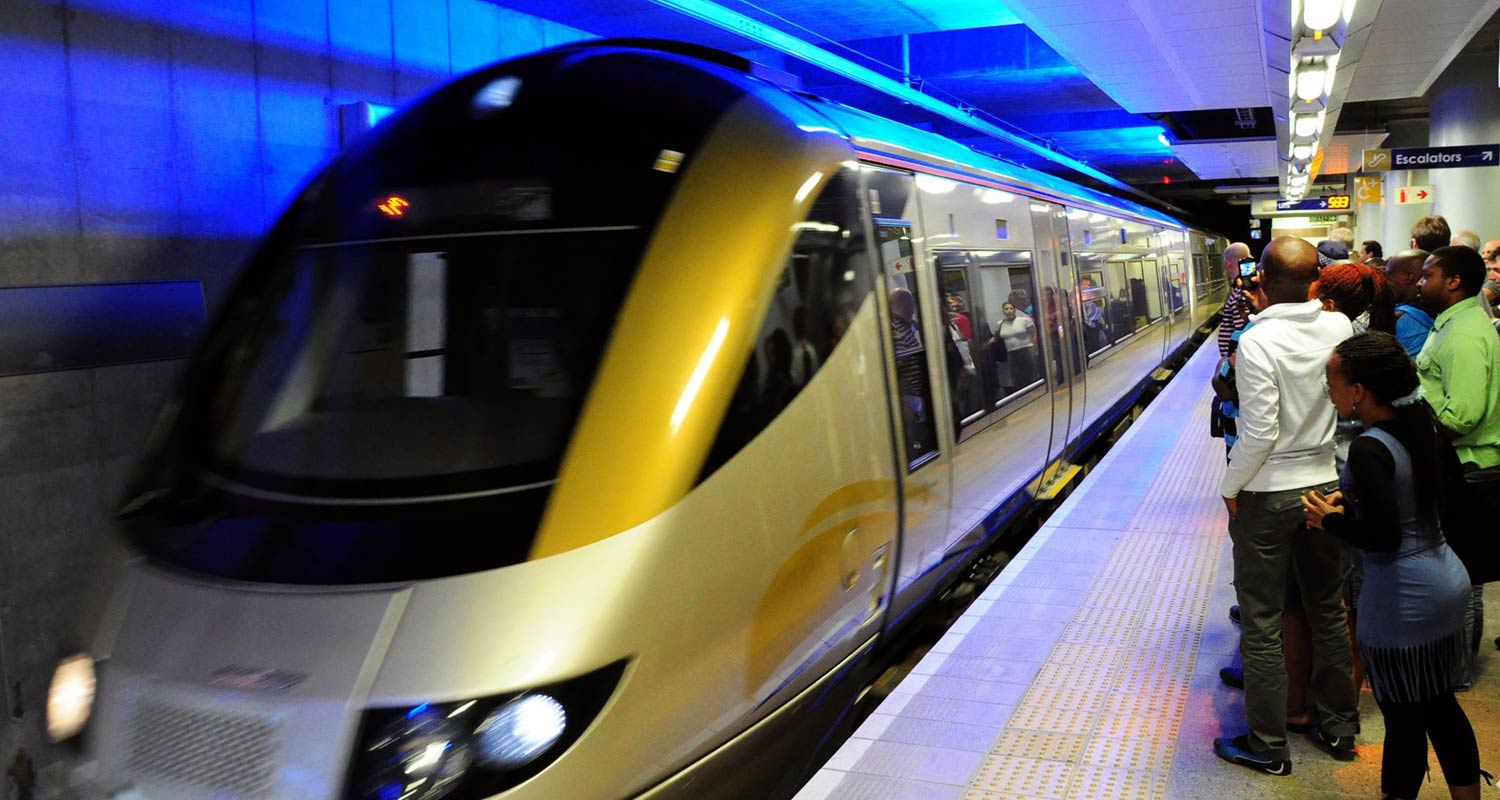
The Gautrain Management Agency (GMA) plans to launch its own Uber- and Bolt-style e-hailing service in October, News24 reported on Friday.
The move pushes the state-owned commuter rail operator deeper into the broader urban-mobility market at a moment of flux in South Africa’s ride-hailing industry.
The service, to be called Gau Express, will reportedly be built into the existing Gautrain app and offer discounted fares to commuters who connect via rail, News24 said, citing an interview with GMA CEO Tshepo Kgobe.
According to the report (paywall), the service is designed to address what Kgobe described as a gap in Gautrain’s last-mile offering for commuters who cannot wait for scheduled feeder buses.
Vehicles will carry Gautrain’s gold-and-blue livery for easy identification. Riders will be able to pay using conventional methods or by drawing down a balance held on their Gautrain card.
Kgobe also told News24 that smaller electric vehicles, including e-bikes and scooters, would eventually be added to give commuters more last-mile options, though the immediate focus was on getting Gau Express live.
Reshaped
Gau Express will enter a market that has been reshaped over the past nine months by the National Land Transport Amendment Act, gazetted in September 2025, which finally brought e-hailing operators under a formal licensing regime after more than a decade of legal ambiguity.
The amended act requires e-hailing platforms to register with the National Public Transport Regulator, and obliges drivers to display platform branding, install panic buttons and operate within designated geographic zones. App developers that allow unlicensed drivers onto their platforms face fines of up to R100 000 or two years’ imprisonment.
The compliance picture remains messy, however. By the 11 March 2026 deadline, only a handful of operators had been formally registered.

Uber, the market leader, was still without its certificate as of late March, when sub-Saharan Africa GM Deepesh Thomas told TechCentral the company was lobbying government for “further engagement” on the regulations.
In the same interview, Uber pledged R5-billion in investment over three years at the South African Investment Conference, although Thomas conceded the figure was a mix of new spending and previously planned capital expenditure. — © 2026 NewsCentral Media