
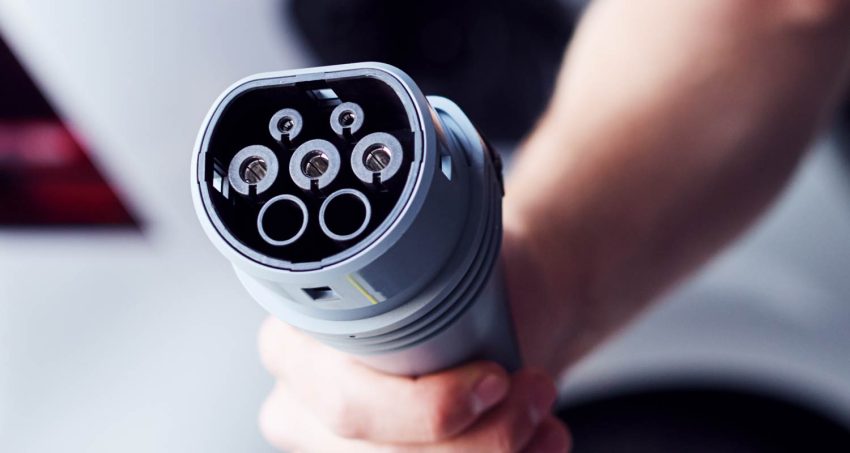
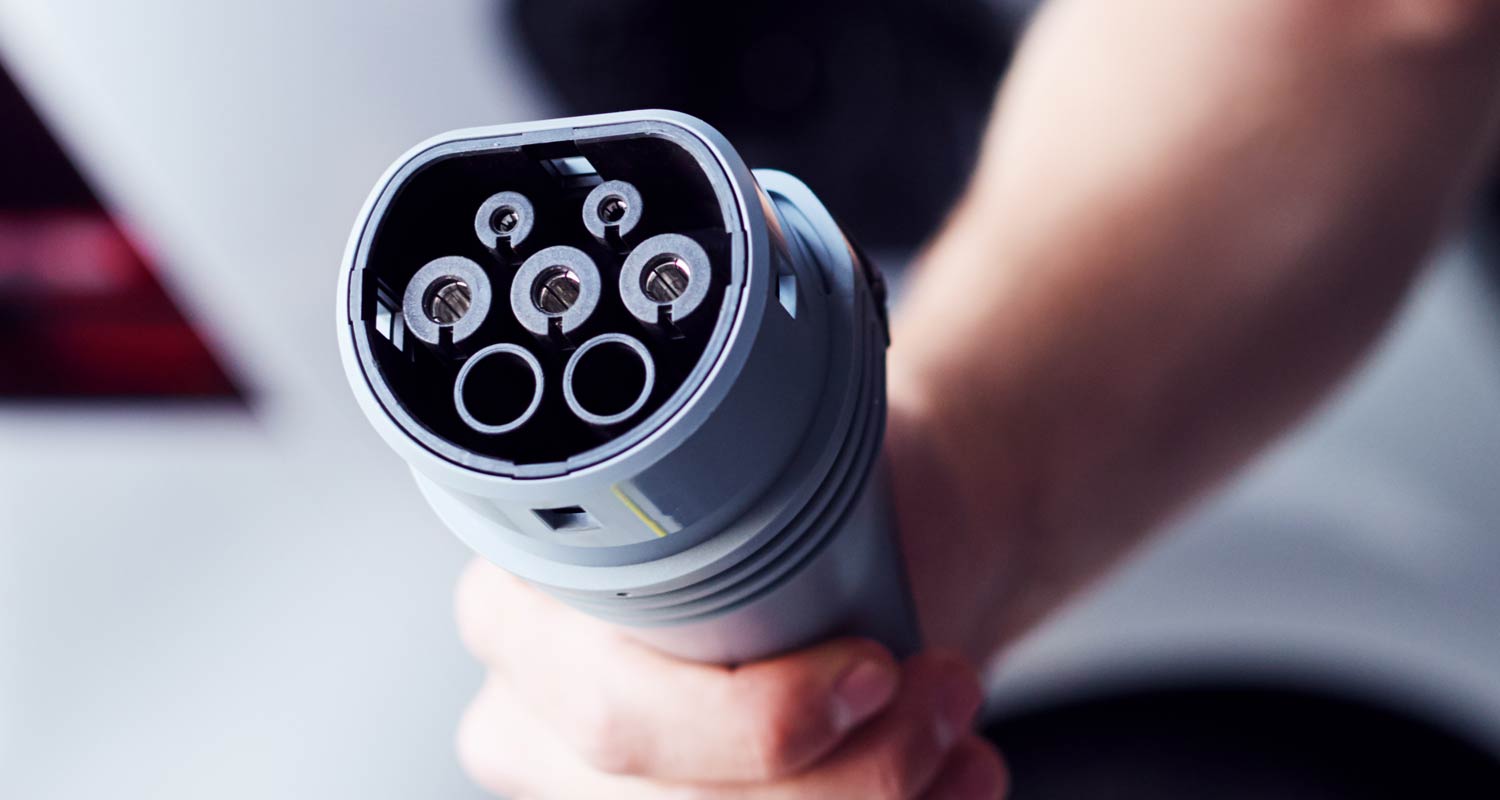
Plug-in hybrid electric cars (PHEVs) outsold pure battery-electric vehicles (BEVs) by more than two to one in South Africa last year, marking the local market out as a global outlier even as overall electric car adoption remained stuck below 1% of new vehicle sales.
That’s according to the latest International Energy Agency (IEA) Global Electric Vehicle Outlook for 2026.
The IEA’s outlook, published on Wednesday, puts South African total EV sales, including PHEVs, at 3 800 units in 2025, behind Egypt (7 900) and Morocco (5 500) on the continent. Together, the three markets accounted for nearly 70% of African EV sales.
But it’s the South African mix that stands out: plug-in hybrids made up more than 70% of local EV sales – an inversion of the global trend, where BEVs dominate.
The pattern suggests local buyers are hedging against patchy public charging coverage and the legacy of load shedding, opting for vehicles that can fall back on petrol when needed rather than committing to pure-battery driving.
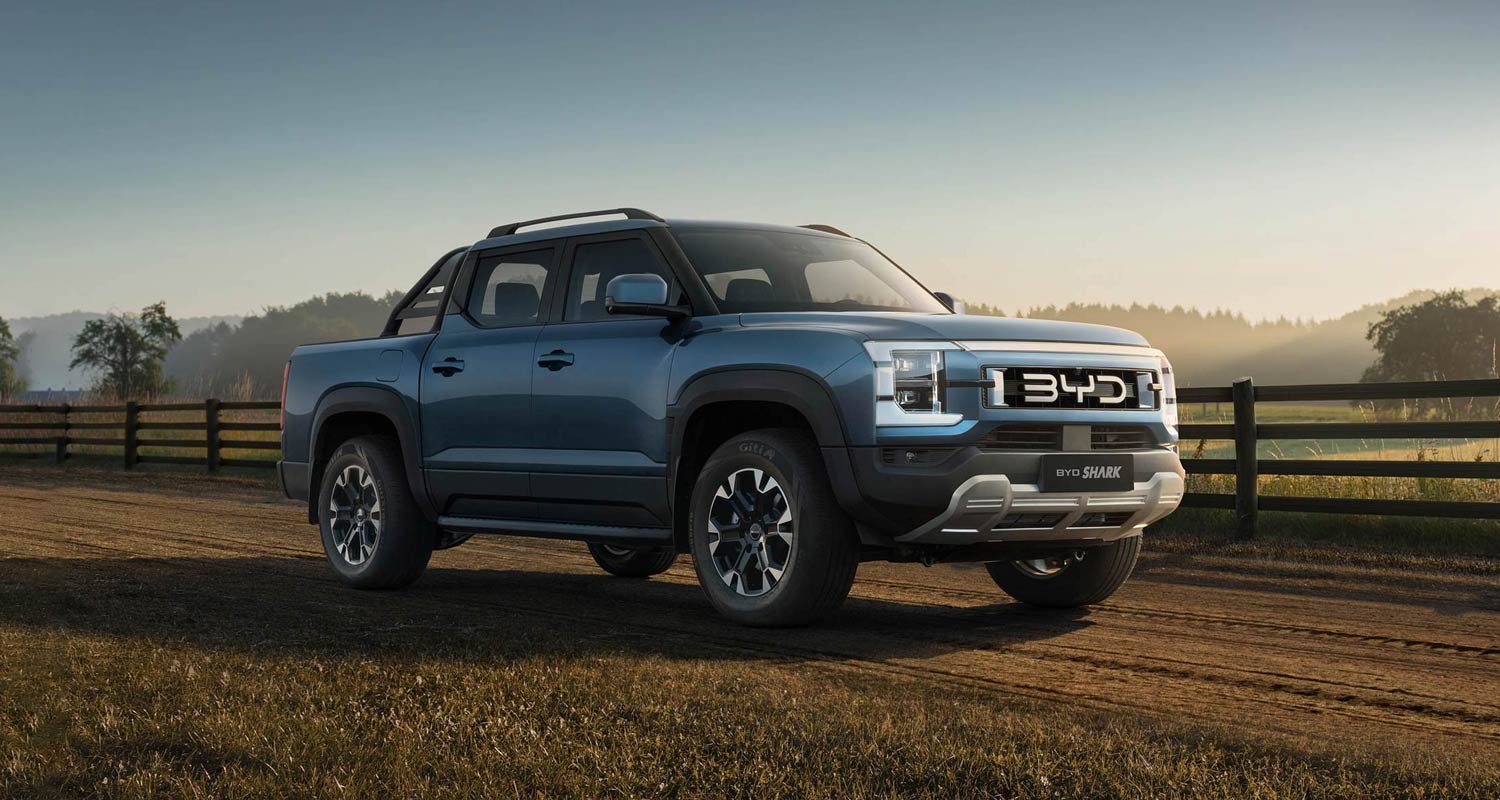
The findings come as Chinese manufacturers tighten their grip on the continent’s small but rapidly growing EV market. The IEA report shows BYD’s share of African electric car sales has leapt from about 4% in 2023 to 35% in 2025, while European car makers – which held roughly 40% of the market in 2023 – appear to have been displaced from their leadership position. The shift mirrors the pattern playing out in the Middle East and Southeast Asia.
Transition is urgent
South Africa’s import mix is following the same trajectory. The IEA’s analysis of the origins of electric cars sold in selected markets shows that Chinese-brand vehicles took a noticeably larger slice of South African EV imports in 2025 than in 2024, with the rest of the market still served largely by imports from Europe. Very few electric cars are produced locally.
Hiten Parmar, executive director of South African non-profit The Electric Mission, said in a statement on Thursday that the local automotive industry could not afford to delay its electric transition.
Read: Fuel pain finally tipping the scales for EVs in South Africa
“The local industry must transition to producing zero-emission vehicles urgently in the lead up to 2035, a priority timeline for the EU market as well as the ambitions for the South African Automotive Masterplan,” he said.
Parmar said the national Integrated Resource Plan needs to be put into action to provide additional energy capacity for the technology transition, and that a domestic framework for fuel efficiency or vehicle emission standards remains “imperative” for the local market.
The Electric Mission is a South African not-for-profit advocacy organisation focused on electric mobility, which represents the country in several local and international forums. The IEA lists Parmar among the national experts who contributed to the 2026 outlook.
The IEA’s report also places South Africa in a category of oil-importing emerging economies whose energy-security incentives most strongly favour rapid EV adoption, grouping it with Thailand and Chile. The agency argues that the cheapest route to acceleration in the short term is increased imports of affordable Chinese electric cars, with domestic incentives for local production a longer-term play – though this complicates the South African Automotive Masterplan’s emphasis on protecting and growing local manufacturing.
Read: Alfa’s electric rebel
Globally, the IEA expects electric car sales to reach 23 million in 2026, equivalent to about 28% of total new car sales. South Africa, on its current trajectory, is unlikely to be anywhere close to that share for some years to come. – © 2026 NewsCentral Media