
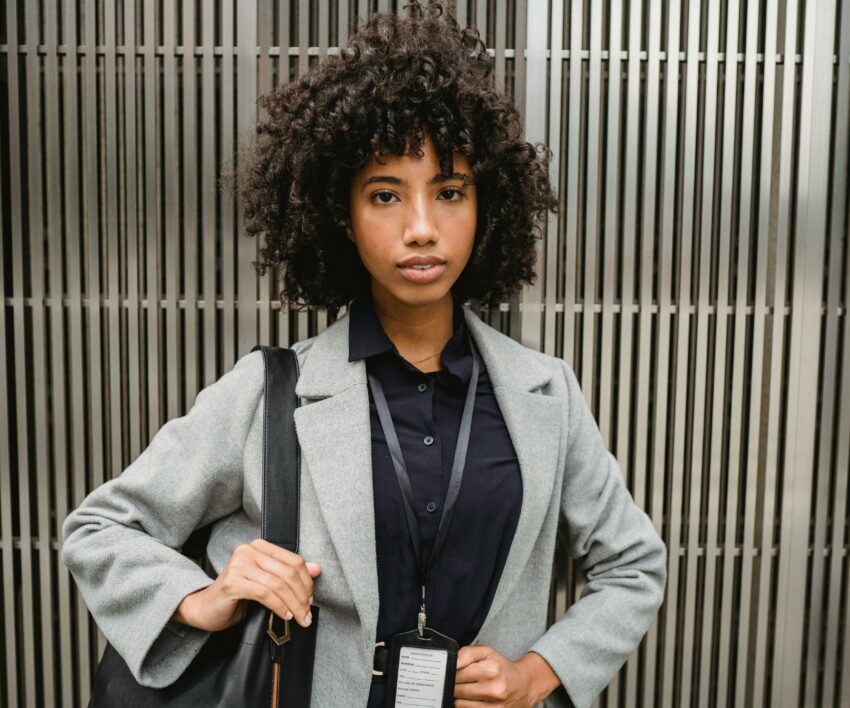
For many South African women, natural hair is more than a style choice.
It’s identity. Culture. Confidence. Heritage.
And yet, for years, “professionalism” in some workplaces was often tied to narrow beauty standards that didn’t reflect African hair textures or protective styles. Research and commentary continue to note that natural Black hairstyles have historically been judged unfairly in professional environments.
Thankfully, that conversation is changing.
Across Johannesburg boardrooms, Cape Town creative agencies, Durban offices, and entrepreneurs working for themselves, more women are showing up fully as themselves—with curls, coils, afros, braids, twists, buns, locs, and pride.
South Africa has had public conversations around hair discrimination in schools and workplaces for years. High-profile debates over grooming rules helped expose how hair policies can sometimes reflect racial bias rather than genuine professionalism.
That’s why natural hair at work is not just fashion—it’s also about inclusion and dignity.
Today, many workplaces are more progressive, but experiences still vary depending on industry and company culture.
Professional hair does not mean straight hair.
Professional usually means:
- neat
- intentional
- maintained
- suitable for your environment
Here are work-friendly styles many South African women wear confidently:
1. Sleek Puff or High Bun
Clean, elegant, and quick for busy mornings.
Best for:
- corporate offices
- meetings
- hot summer days
2. Twist-Out or Defined Wash-and-Go
Soft volume with shape and polish.
Great for:
- creative workplaces
- hybrid offices
- everyday confidence
3. Braids or Protective Styles
Box braids, knotless braids, cornrows, flat twists.
Protective styles can save time during packed weeks and reduce daily styling.
4. Short Natural Cut / Tapered Afro
Modern, sharp, low-maintenance, stylish.
Perfect for:
- professionals on the go
- minimalist style lovers
Busy schedule? Keep it simple.
Weekly Basics:
- Moisturise regularly
- Protect hair at night with satin scarf/bonnet
- Refresh edges or shape in the morning
- Keep scalp healthy
- Choose low-manipulation styles during stressful weeks
Emergency Desk Kit:
- edge brush
- hair tie
- mini moisturiser spray
- bobby pins
- silk scarf
Sometimes “professional image” language can be vague.
If concerns come up:
Stay calm and ask for clarity:
- Is the issue hygiene, safety, or personal bias?
- Is the policy applied equally to all hair textures?
- Can the rule be shown in writing?
Natural hair itself is not unprofessional.
Many conversations about workplace appearance are really conversations about outdated norms.
Johannesburg
Smart, polished, structured looks often fit corporate spaces.
Cape Town
Creative smart-casual environments often allow more individuality.
Durban
Humidity-friendly styles like buns, braids, and twists can save your day.
Hybrid / Remote Work
Defined curls on camera + simple accessories = effortless polish.
The most powerful hairstyle at work is not a bun, braid, or afro.
It’s confidence.
When your hair is healthy, intentional, and worn proudly, it changes how you carry yourself—and often how others respond.
Natural hair belongs in every room:
- boardrooms
- classrooms
- interviews
- client meetings
- leadership spaces
South African women should never have to choose between professionalism and authenticity.
You can be polished, powerful, and natural—all at once.
Also see: From Township Dreams to Global Stages: How Black Coffee Built a Life He First Spoke Into Existence
Featured Image: Pexels
Be the first to know – Join our WhatsApp channel for content worth tapping into. Click here to join!