
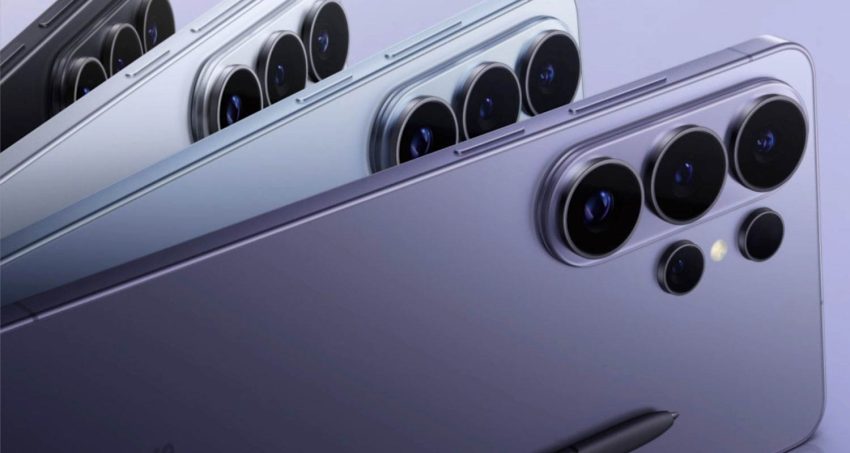
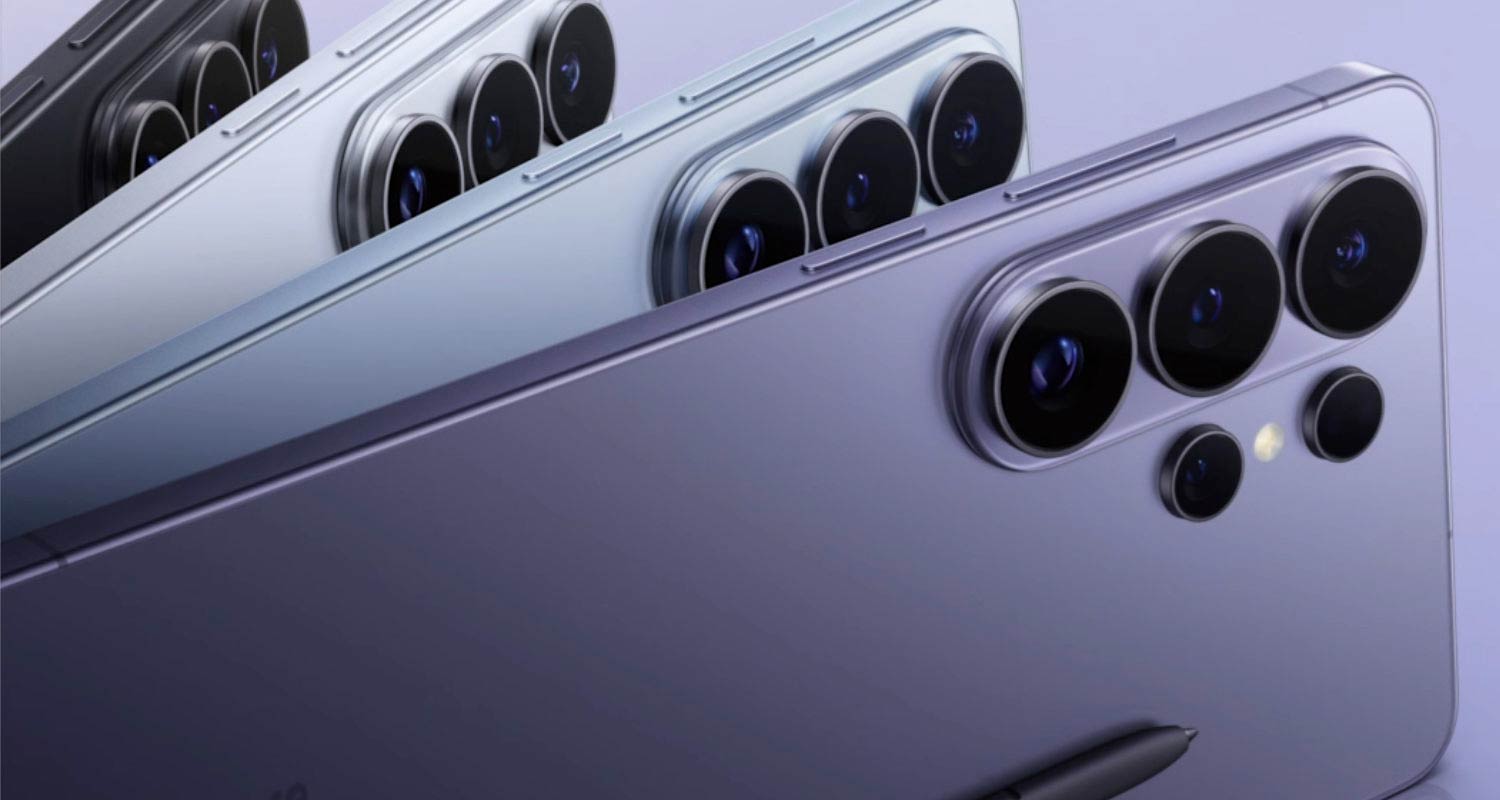
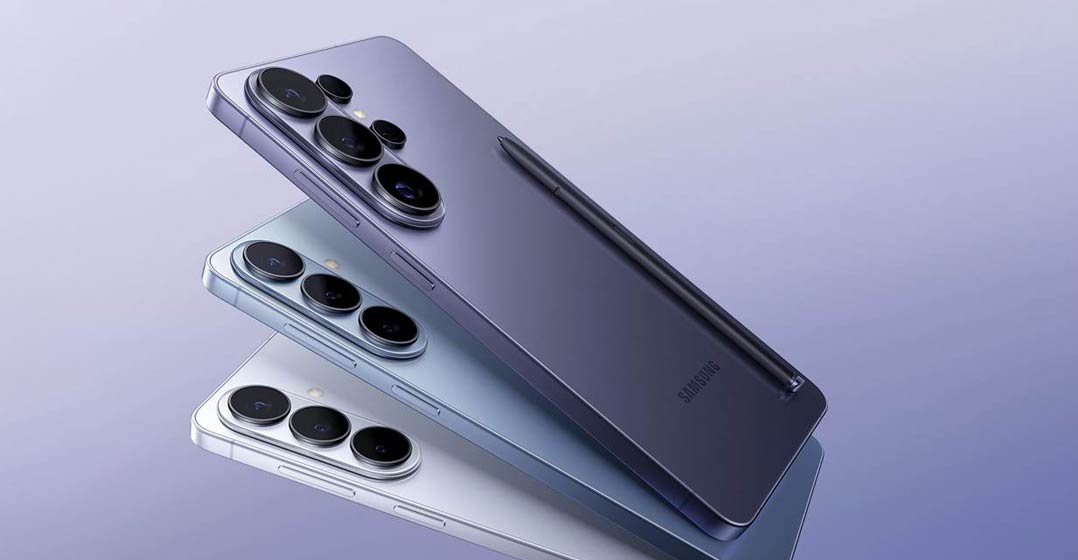
The ongoing RAM shortage, driven by suppliers shifting their production lines to higher-margin high-bandwidth memory used for AI workloads in data centres, is already affecting the smartphone market as the Samsung Galaxy S26 launched at prices slightly higher than its predecessor on Wednesday evening.
Speaking to TechCentral in a post-launch interview following the Johannesburg leg of Samsung’s Galaxy Unpacked event, Justin Hume, vice president for mobile at Samsung South Africa, said the effect on pricing has been less severe locally due to the rand’s strength over the past year.
“There are a couple of things coming into play here: new innovation, new technology, better screens – the hardware itself could command that price. Having said that, the memory shortage is creating a cost base pressure that is coming through. Fortunately in South Africa we have had a favourable exchange rate that has mitigated a large portion of that,” Hume said.
The table below shows launch pricing for the Samsung Galaxy S26 range, its predecessor the Samsung Galaxy S25 range and the Samsung Galaxy S24 range that came before that. All prices shown are for the 256GB version of each device.

As shown in the table, the higher pricing of the new S26 range bucks a downward trend seen in the transition from the Galaxy S24 to S25. The drop in price was mostly attributable to a stronger rand. The rand grew even stronger against the dollar over 2025 than it did the previous year, but the memory chip crunch has cut into gains that could have led to even lower pricing this year.
According to Hume, the South African market has been relatively shielded from RAM shortage-related shocks compared to other regions of the world. Citing Dubai as an example, Hume said some smartphone manufacturers there have increased pricing by between 20% and 30% — and some by even more. Competitors most affected, he explained, employed a strategy where their devices “were over-specced and underpriced”.
One of the reasons Samsung is able to cushion supply-chain shocks better than some of its competitors is because the company is the world’s largest producer of dynamic RAM (DRAM). Its global market share as of the fourth quarter of 2025 was 36.6%.
“Samsung is very well positioned. However, we are watching the market very closely and carefully managing the situation. So, we think we will weather the storm, hopefully, better than our competitors,” said Hume.
Outlook
Asked about the outlook for the stability of supply chains, Hume said it depends on a number of factors. The first is whether the rate at which data centres consume new memory changes, a drop in demand could lead to an uptick in the supply of DRAM used for computers and phones, signalling the begin of a market re-normalisation. Alternatively, demand could also accelerate, Hume noted, which could lead to more severe shortages and higher device prices.
Read: Stolen phone? Samsung now buys you an hour to lock it down
The other factor that could have a significant impact is if new production capacity comes online and when. Although Samsung’s RAM strategy has shifted towards the HBM used in data centres, Hume said “billions” of dollars are being invested into DRAM capacity. But the soonest any of these fabrication plants will come online is late 2027 or even early 2028.
“It is so difficult to speculate because the situation changes daily. We are focused on managing supply-chain controls and ensuring we can bring the model to market without disruptions,” said Hume.
Read: The era of (relatively) cheap computers is over
Pre-orders for the Samsung Galaxy S26 range run from 26 February to 19 March. General in-store availability begins 20 March. – © 2026 NewsCentral Media
Get breaking news from TechCentral on WhatsApp. Sign up here.