
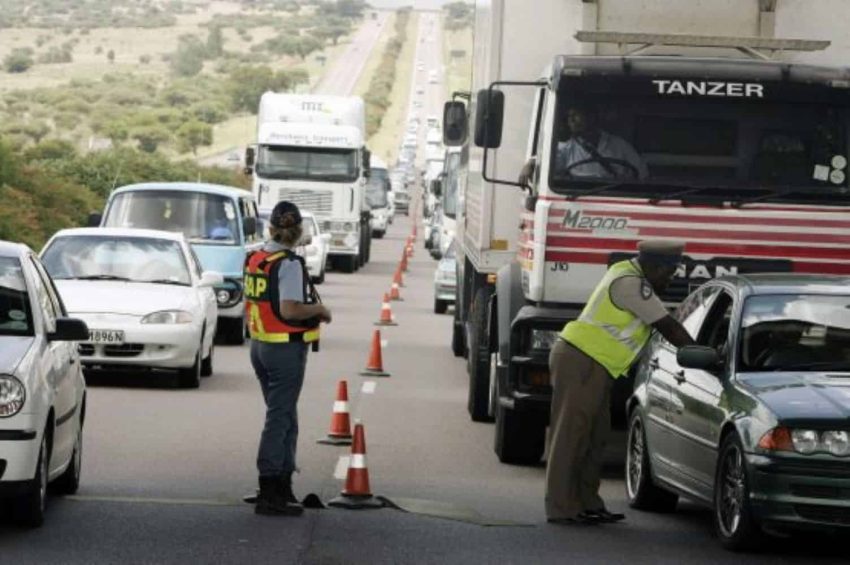
This latest move has raised questions about whether the project finally hit the road in July or will be postponed for a fourth time.
Two months after it was meant to roll out, the Road Traffic Infringement Agency (RTIA)’s Administrative Adjudication of Road Traffic Offences (Aarto) Act looks to be halted again.
The RTIA said in October that it was ready to roll out the contentious traffic fine management system in December, but it was postponed a month later to 1 July 2026.
Now, a report claims the agency is feeling the effects of alleged lavish spending and needs private help to make Aarto happen.
Outsourcing the project to the private sector via tender, according to the Sunday Times, could cost an additional R1.2bn. This, after it has already allegedly cost taxpayers R2bn since 2014,
The Organisation Undoing Tax Abuse (Outa) warned this may be a “potentially corrupt, deliberate money-making scheme”.
“This ‘project’ has all the hallmarks of a potentially corrupt, deliberate money-making scheme. It is nothing short of a public-private partnership that involves revenue sharing of funds intended for the state.
“Traffic enforcement is not meant to operate as a profit-driven exercise. When private entities stand to benefit from administrative processes linked to fines, it creates perverse incentives and erodes public trust. That is exactly what Aarto does not need,” said CEO Wayne Duvenage.
ALSO READ: Government spells out how Aarto will work
RTIA deny it is handing over the reins
The organisation has denied that the tender was out to take over their core functions and responsibilities.
“The core functions of adjudications, revenue collection, and communications will be undertaken by internal management structures. The functions being outsourced are the operational and system development functions, which will require a lot of capital to implement,” said spokesperson Emmanuel Tshehla.
Tshehla also said the contractor’s remuneration would be performance based “and will not be necessarily linked to the number or value of fines issued.”
Will Aarto actually be implemented in July?
This latest move has raised questions about whether the project finally hit the road in July or will be postponed for a fourth time.
Transport minister Barbara Creecy reiterated the July deadline in Parliament earlier this month. She said this was at the request of municipalities, who said they were not ready to implement the system. MPs shared their frustration but understanding of the delays.
“From the committee’s side, we make a call for all stakeholders to iron out whatever outstanding issues regarding readiness to implement, so that we can move towards full implementation. We agree with the Minister granting the request, because cautious implementation is much better than haphazardness.
“If we are to address the deaths that we have seen on our roads, the law should be punitive but fair. We note this request from municipalities,” Chairperson of parliament’s transport committee, Donald Selamolela, said.
ALSO READ: Cape Town wants to opt out of Aarto
Still time to prepare
Fines management platform Fines SA said that regardless of the implementation date, it gives motorists an opportunity to get their fines in order.
“We’ve already seen a significant influx of motorists registering and clearing old fines in anticipation of Aaarto. This delay provides the perfect window for those who haven’t yet acted to avoid future complications,” said CEO Barry Berman.
Under Aaarto, unpaid fines will be directly linked to a motorist’s or business’ vehicle licence and registration number. This will make it impossible to renew or register vehicles until all fines are settled. This could lead to operational disruptions for businesses and severe administrative hurdles for individuals once the system goes live.
Additional reporting by Mark Jones
NOW READ: Delayed Aarto needs a rethink
Support Local Journalism
Add The Citizen as a Preferred Source on Google and follow us on Google News to see more of our trusted reporting in Google News and Top Stories.