
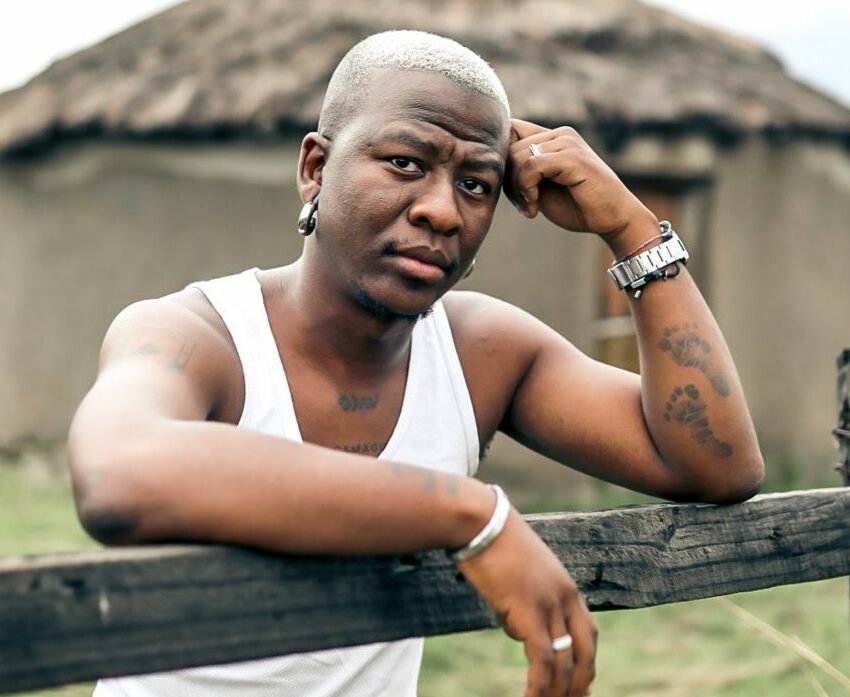
A loss felt from Khayelitsha to the world
The news that Sinesipho Peter, known across South Africa and beyond as Bravo Le Roux, had died while in Switzerland landed heavily on the hearts of fans, fellow artists, and cultural commentators. The Cape Town-born hip hop artist was thirty years old when he passed away on 22 January, and his death has sparked both sorrow and a powerful conversation about mental health and community support in the creative sphere.
For many, Bravo was more than a musician. Born and raised in Khayelitsha, he carried the rhythms and stories of township life into his art and became a defining voice of South African hip-hop culture. His music blended rich isiXhosa lyricism with contemporary beats and carried authentic narratives that resonated deeply with listeners. In an industry often dominated by global influences, his sound stood out as proudly local yet globally accessible.
Family breaks silence as truth comes to light
In the days following his passing, official statements from his family and loved ones were sparse as they grappled with grief and logistical challenges abroad. Loved ones initially shared heartfelt tributes, with his wife, DJ Sab, describing how overwhelming the period had been as she tried to care for their young daughter while processing the loss of her husband.
Recently, the family went further and confirmed the cause of his death. In communications shared via a letter from their spokesperson, it was revealed that Bravo Le Roux died by his own hand while overseas. This news has opened up deep and careful reflections across social platforms, with fans and colleagues expressing compassion, remembering his kindness and artistic spirit, and urging sensitivity around discussions of suicide and loss.
Public comes together to honour a creative light
The announcement of his death saw an outpouring of support from across South Africa’s entertainment world, with prominent figures and everyday listeners alike saluting his contributions to music and culture. People shared stories of how his tracks had uplifted them or given voice to their own experiences, and many highlighted his role in championing township identity and pride.
At the same time, a GoFundMe campaign was launched by his family to cover the costs of repatriating his remains back to South Africa and to help provide for his daughter’s future. By late January, the fundraiser had already seen substantial contributions, with thousands of rands donated and shared widely online, demonstrating the solidarity and respect his community continues to show.
As arrangements for memorials and services are being put together, the focus for many remains on how to carry forward his legacy in a way that honours both his music and his humanity, while also recognising the broader need for support and healing in the communities he touched.
Source: Briefly News
Featured Image: SlikourOnLife