



Samsung Electronics and its labour union started talks on Monday in a last-ditch bid to avert the biggest strike in the tech giant’s history, amid concern that a walkout by more than 45 000 workers could hit South Korea’s economy and disrupt global supply chains.
The talks follow the collapse last week of a first round of government-mediated negotiations over pay and bonuses at the world’s largest memory chip maker, which accounts for nearly a quarter of South Korea’s exports.
Adding to pressure on the union, a South Korean court partially granted Samsung’s request for an injunction, ordering the union to ensure any strike did not disrupt production.
Monday’s ruling means that a strike must not lead to the degradation of materials used in production, while operations related to safety and avoiding product damage must be maintained at normal levels, a court spokesman said by telephone.
The spokesman said the two main unions could face fines of ₩100-million (R1.2-million) per day each if they failed to comply, while union leaders could be fined ₩10-million/day. Samsung Electronics declined to comment and the union was not immediately available for comment.
South Korean government officials have increasingly voiced worries about a strike, warning it could pose significant risk to economic growth, exports and financial markets.
President Lee Jae Myung, who is a former rights lawyer and is seen as leading a union-friendly government, said in a social media post on Monday that management rights should be respected as much as labour rights.
‘Respected’
“In South Korea, which has adopted a liberal democratic order and capitalist market economy, labour should be respected as much as businesses, and corporate management rights should be respected as much as labour rights,” Lee wrote on X.
He said that workers should receive fair compensation for their labour, while shareholders who bear risks and losses through investments also deserve a share of corporate profit.
South Korean Prime Minister Kim Min-seok said on Sunday the government would pursue all options, including emergency arbitration, to prevent a strike.
Read: Samsung sees no respite as memory shortage set to worsen
An emergency arbitration order, which can be invoked by the labour minister if it is deemed that a dispute is likely to harm the economy or daily life, immediately prohibits industrial action for 30 days while the National Labour Relations Commission conducts mediation and arbitration.
The union said on Sunday it would not give in to pressure on arbitration and would not agree to a pay deal should the company offer a less favourable proposal.
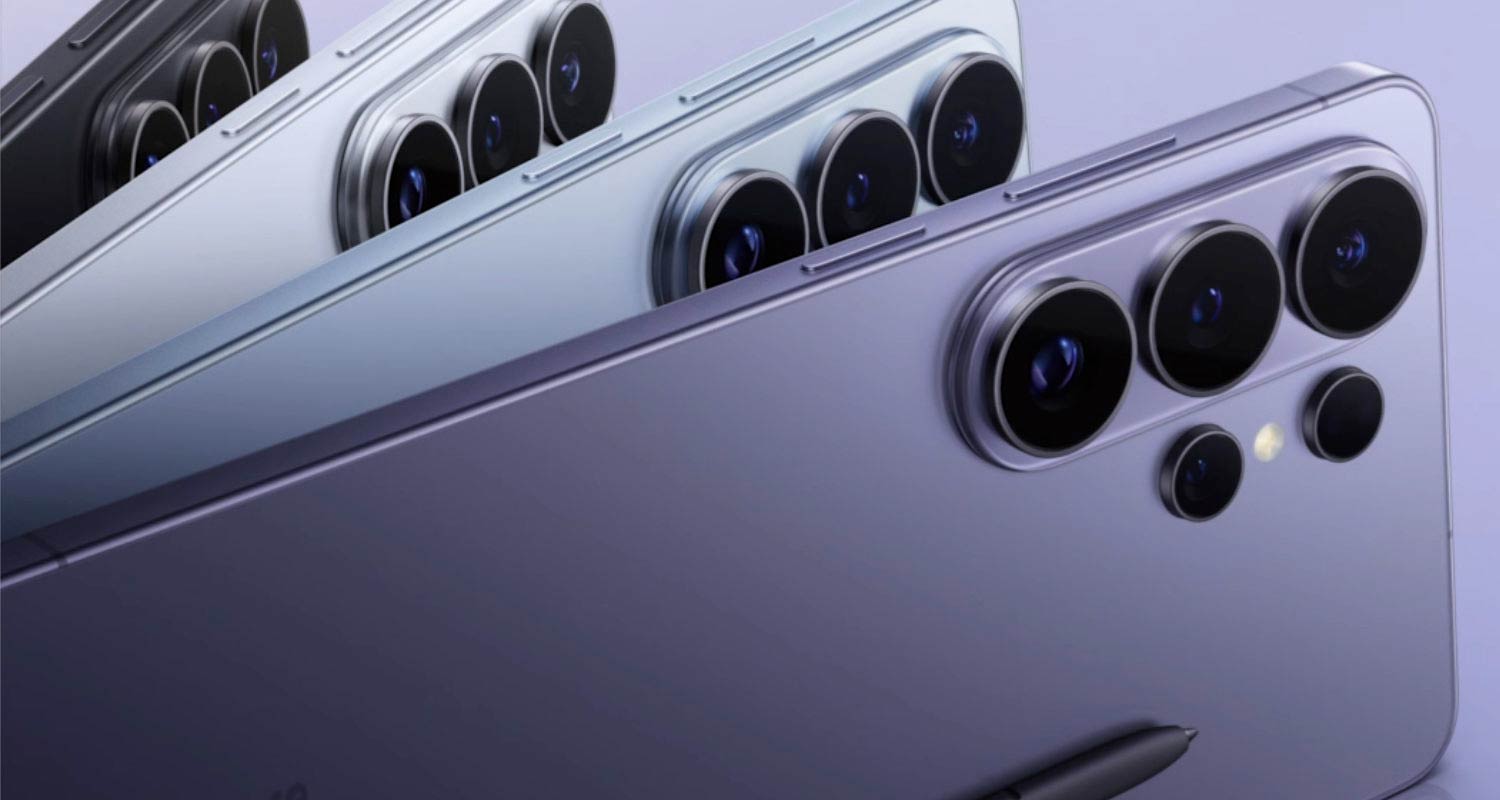
More than 45 000 workers are threatening to strike for 18 days from 21 May, raising fears about disruption to production of memory chips that are crucial components in AI data centres, smartphones and laptops.
After the collapse of negotiations last week, executives from Samsung’s chip division urged the union to refrain from striking, citing concerns raised by hard-won semiconductor customers such as Nvidia, according to media reports.
Read: Pop star sues Samsung for $15-million
The executives said some customers had indicated they might temporarily stop accepting shipments during a strike because they could not guarantee product quality, according to the reports, citing a participant at the meeting.
The government-mediated negotiations between the union and the company are due to continue until Tuesday, media reported. — Heekyong Yang, Heejin Kim and Jack Kim, (c) 2026 Reuters
Get breaking news from TechCentral on WhatsApp. Sign up here.