


Government will spend R600 million on a special security operation ahead of the planned June 30 anti-migrant demonstrations.
Acting Police Minister Firoz Cachalia said the money would be used to protect critical infrastructure and maintain public order.
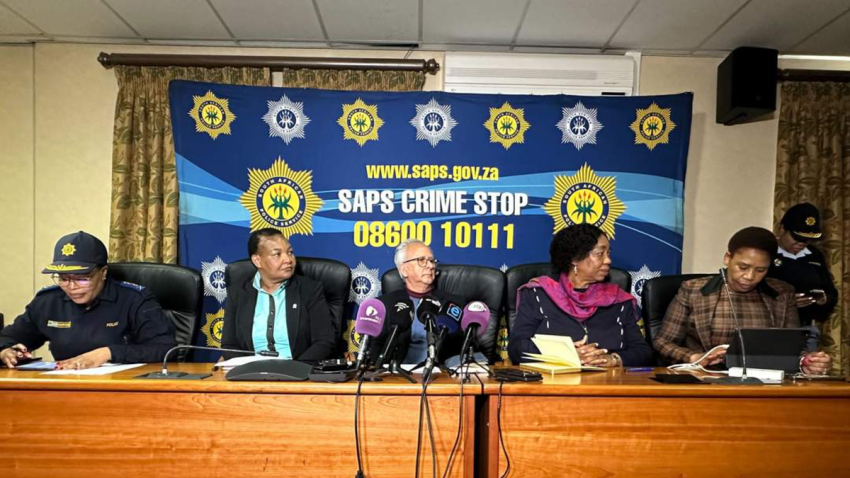
He was speaking on Monday after a meeting at the police’s provincial headquarters in Johannesburg with Defence Minister Angie Motshekga and senior security officials.
Cachalia said police were on high alert and warned that any attempt to destabilise the country would not be tolerated.
“The responsibility of the police is to prevent any attempts to destabilise the country,” he said.
Funding diverted from existing budgets
Cachalia said the R600 million would be diverted from existing budgets.
He warned that the large-scale operation would come at a high cost to the country.
“We’re making those resources available… and this is additional funding outside of the budget,” he said.
He said South Africans needed to understand the cost of reckless behaviour.
Cachalia said money that could have been used to improve safety in communities and police stations would now be spent on preparing for protest action.
Army on standby
Organisations, including March and March, have called for undocumented migrants to leave South Africa by June 30.
Cachalia said concerns about national issues must be raised lawfully and peacefully.
He warned against violence, intimidation and threats to public safety.
He said police could request support from the South African National Defence Force if additional capacity was needed.
Motshekga said the army would remain on standby and would only be deployed if asked by police.
She said the main focus would be protecting strategic state infrastructure.
Intelligence guiding preparations
Cachalia said authorities were using intelligence gathering and scenario planning to prepare for different outcomes.
He said the police’s role was to secure infrastructure, protect people and prevent attempts to destabilise the country.
He also reflected on the recent voter registration weekend, saying there were no major disruptions.
However, authorities recorded 12 cases, including four murder cases linked to political parties.
Police also recorded five Electoral Act cases and three public violence incidents.
Six arrests were made in cases involving assault, malicious damage to property and public violence.