

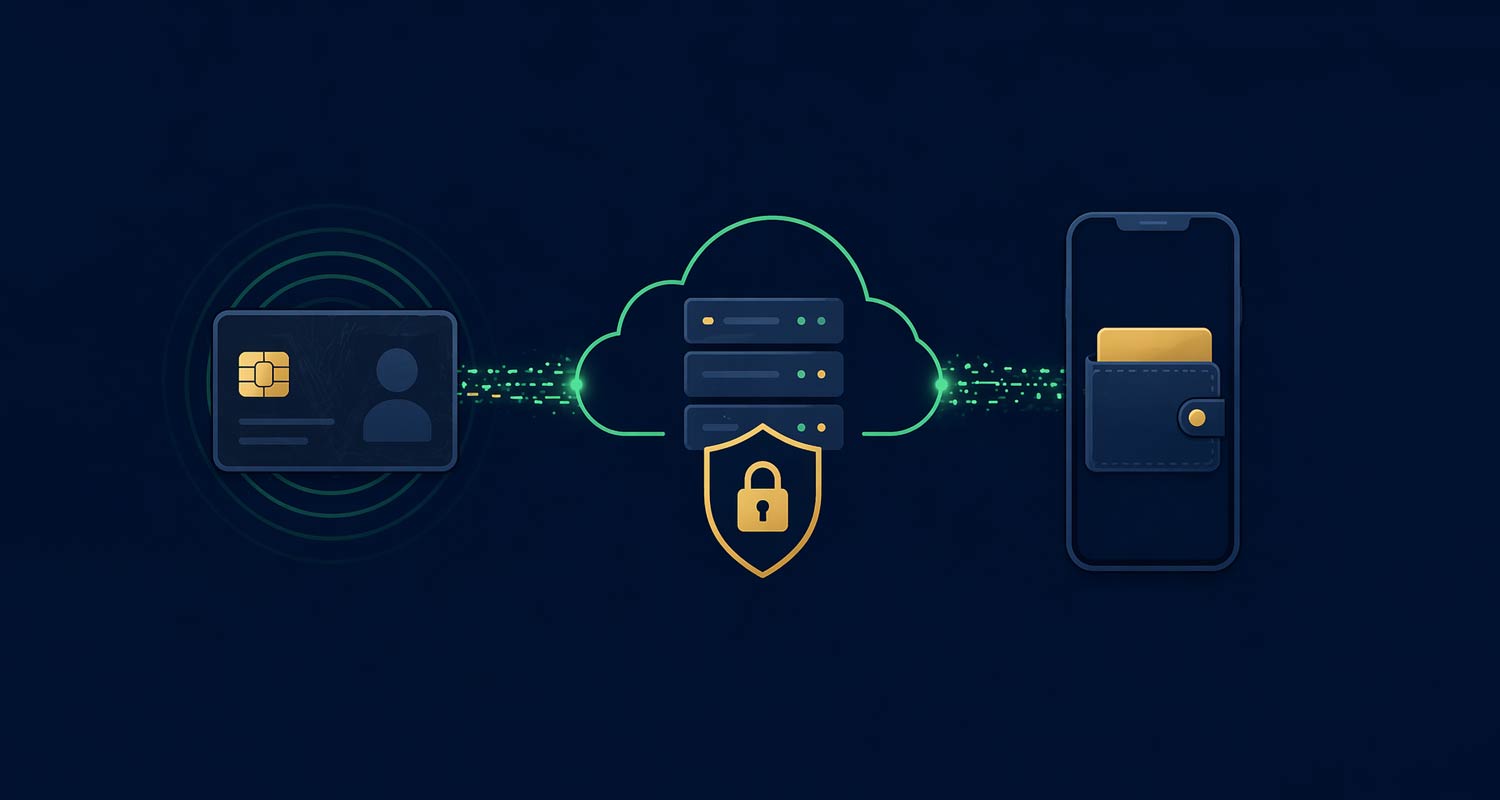
The department of home affairs has set a 31 March 2027 deadline to complete the hosting infrastructure for South Africa’s national digital identity system, with the full platform due to come online in 2027/2028. That is the first financial year in which citizens will be issued with verifiable digital credentials via a secure mobile wallet.
The timeline is set out in the department’s Annual Performance Plan for 2026/2027, signed off by home affairs minister Leon Schreiber and tabled in parliament on 30 March. The document provides the most detailed public blueprint yet for a project that President Cyril Ramaphosa has placed at the centre of government’s digital transformation agenda.
The core infrastructure for the system – public key infrastructure, a certificate authority, the digital identity platform itself and supporting security controls – will be built within the South African Revenue Service’s hosting environment.
The performance plan is the first public document to attach hard completion deadlines and to set out the full technical architecture.
A work order to begin procurement of the hosting build is targeted for the first quarter of the new financial year, which began on 1 April, with sign-off on completed infrastructure by the end of the reporting period on 31 March 2027. Operational digital identity – including the issuance of verifiable credentials via a digital wallet – is targeted for 2027/2028, with further agreed credentials added to the wallet the following year.
Digital transformation pact
The decision to anchor the platform inside Sars builds on the digital transformation pact signed in April last year between home affairs, Sars, the Border Management Authority and the Government Printing Works. Schreiber described the agreement at the time as “historic” and said the ecosystem would leverage the technology capacity within Sars to overhaul public services.
The idea of a single national digital identity jointly anchored by Sars, the Reserve Bank and home affairs was first floated publicly by outgoing Sars commissioner Edward Kieswetter in late 2024. He argued that the existing patchwork of separate identifiers – for national ID, tax, company registration, healthcare and other services – enabled identity arbitrage and grant fraud. Ramaphosa then placed digital IDs at the centre of his 2025 state of the nation address, with home affairs pledging to build the first components within 12 months.
Read: ACT abandons home affairs identity fees lawsuit
The home affairs performance plan document describes the digital identity stack as comprising PKI, a certificate authority, the identity platform, digital verifiable credentials issued by authorised institutions, and digital wallets secured by biometric authentication, Pin-based access and cryptographic validation. Hybrid mechanisms including smart ID cards and QR-based credentials are intended to preserve offline authentication where connectivity is limited.
Facial recognition will be the primary biometric method, with fingerprints as a secondary modality. The Sars hosting environment is specified to provide “high availability and disaster recovery capabilities” and compliance with government cybersecurity and data protection standards.

The plan lists three external assumptions that must hold for the hosting target to be met: timely procurement; collaboration on integration from the Reserve Bank, the banks and telecommunications partners; and sufficient ICT infrastructure capacity to host the PKI solution. No biometric provider has been named publicly, though the home affairs document notes that commercial agreements with biometric providers are expected alongside a readiness assessment for the hosting environment.
Legislatively, home affairs is preparing a separate National Identification and Registration Bill to underpin the new system. The annual performance plan confirms that the NIR Bill will be submitted to cabinet during this financial year for approval to publish in the Government Gazette for public comment, with a further submission in 2027/2028 to introduce it into parliament.
Other reforms
The digital identity programme runs in parallel with other reforms in home affairs’ digital portfolio, including the Electronic Travel Authorisation system, which went live on 29 October 2025; the rollout of smart ID and passport services through bank branches; and Sars’s own Modernisation 3.0 programme.
The performance plan acknowledges that home affairs’ cybersecurity maturity “remains low” and flags the absence of a fully implemented disaster recovery strategy as a key weakness. A security operations centre is to be established over the medium term, with new posts to be created for a chief director of information security, a director of the security operations centre, a cyber threat analyst and an incident response specialist. — (c) 2026 NewsCentral Media
Get breaking news from TechCentral on WhatsApp. Sign up here.