



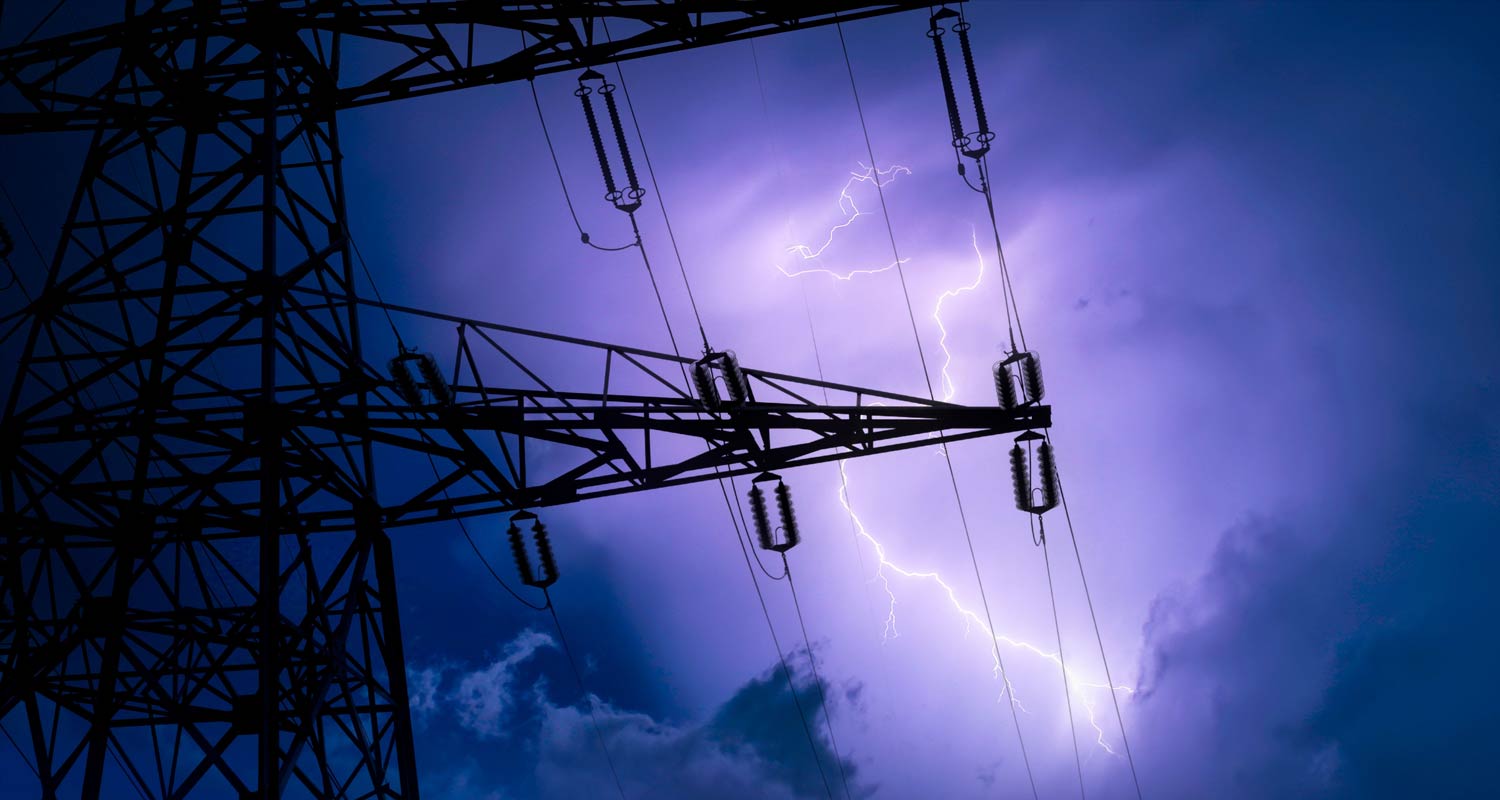

Congratulations must go to Eskom for achieving a full year without load shedding. That is a remarkable turnaround from only three years ago when we experienced 300 days of load shedding with devastating impact on the economy.
While there are many contributors to this achievement, CEO Dan Marokane, and his leadership team, must be congratulated. Through his leadership, the utility has implemented its generation recovery plan, which has successfully improved plant performance.
The energy availability factor is up and unplanned maintenance is down. We are seeing the benefit of the aggressive pre-emptive maintenance done over the last three years.
Credit must also go to energy minister Kgosientsho Ramokgopa, who has fostered a conducive policy environment. Eskom’s recovery has come at the same time as important reforms to the electricity sector overall, on our path to a fundamentally transformed electricity market.
While there are still critical reforms ahead of us to realise that vision, we are far down the path.
The end of load shedding was also facilitated by the growth in private-sector energy generation. Regulator Nersa has now registered over 2 300 private sector generating facilities which collectively have over 18GW of capacity, representing over R360-billion in investment.
Rooftop solar installations have also surged and now account for an estimated 10% of total electricity production.
Key reforms
That investment will continue, including into expanding the grid. But key reforms are critical, including the independent transmission system operator (TSO), which urgently needs to be delivered. The April deadline for its introduction was missed, and we still don’t have a firm timetable for the reform.
The independent TSO is essential for a competitive electricity market. It will manage grid access neutrally, ensuring private generators can connect and compete fairly. Without it, Eskom controls both generation and transmission – the equivalent of letting one airline also control the airports.
Read: Eskom to go to market for 5.2GW of new nuclear within a year
These reforms are complex and negotiations have been taking place with lenders regarding the separation. President Cyril Ramaphosa gave a clear signal in the February state of the nation address that full unbundling would go ahead and that a dedicated team would iron out the details. We need to see the results of those efforts. That is the only way we will turn the current positive outlook by Moody’s into an upgrade. Every month without the TSO is another month where the promise of competition remains just that – a promise.
Minister Ramokgopa must provide a clear timeline and ensure institutional resistance doesn’t derail this critical reform. We cannot have structural reform drift or backpedalling.
Ultimately, South Africans will be able to choose from multiple electricity providers and the benefits of competition will bring downward pressure on prices. The minister has a critical role to play in staying on course. If we do not, then Eskom’s achievement will fade as demand again outstrips supply and costs continue to balloon.
The improvement at Eskom will contribute to its financial health. For one thing, improved plant performance has meant a R9-billion saving from not using diesel in the open-cycle gas turbines. Revenue will improve, too, as Eskom has more electricity to sell.
But one major unresolved challenge for Eskom is the huge amount owed to it by local government. Johannesburg was in the headlines last week after Eskom threatened to cut off the metro over the R5.2-billion it owes the utility. It is among the biggest defaulters but the total debt owed by municipalities exceeds R130-billion. This is the biggest financial risk facing the utility and the biggest barrier to Eskom’s full financial recovery.
Which brings me to Johannesburg. The city’s debt to the utility is a symptom of the wider crisis facing the metro. Yet it was deeply disappointing last week to hear mayor Dada Morero in his state of the city address proclaim Johannesburg was a city on the rise. This is out of touch with the reality facing citizens who must cope with regular water interruptions, electricity failures, robots and street lights that don’t work, and a financial crisis that national treasury has sounded alarm bells about.
The mismanagement of South Africa’s economic heartland is a considerable constraint on the economy of the whole country. Yet the mayor could not level with the people that city management is failing or be honest about the root causes.
Political leadership
Business needs the city to work. It remains the home for many of our biggest companies, and it needs to become the world-class city it aspires to be, where businesses can grow into global champions. That can’t happen when our businesses must install backup water systems and generators, maintain private security and navigate deteriorating roads – costs that magnify the burden of doing business and undermine competitiveness.
Read: Eskom threatens to cut power to Joburg
Ultimately, Joburg’s turnaround requires political leadership willing to acknowledge the crisis honestly and act decisively. The mayor’s denial won’t fix broken infrastructure or restore financial health. South Africa cannot afford for its economic heartland to continue failing.