


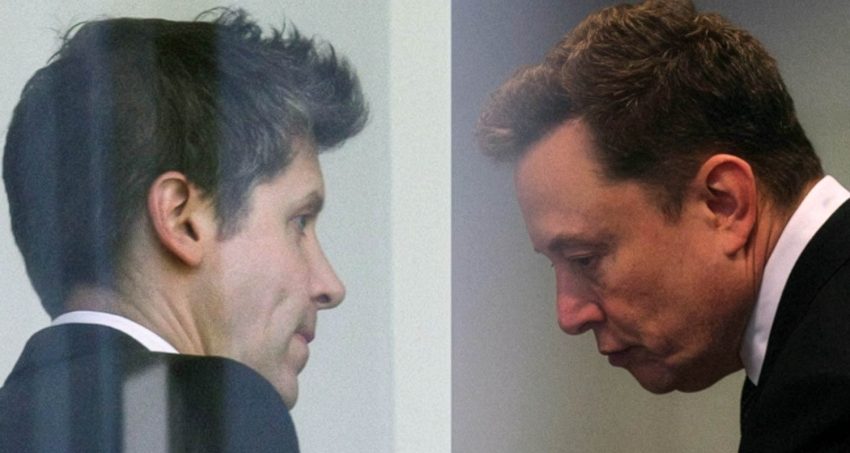

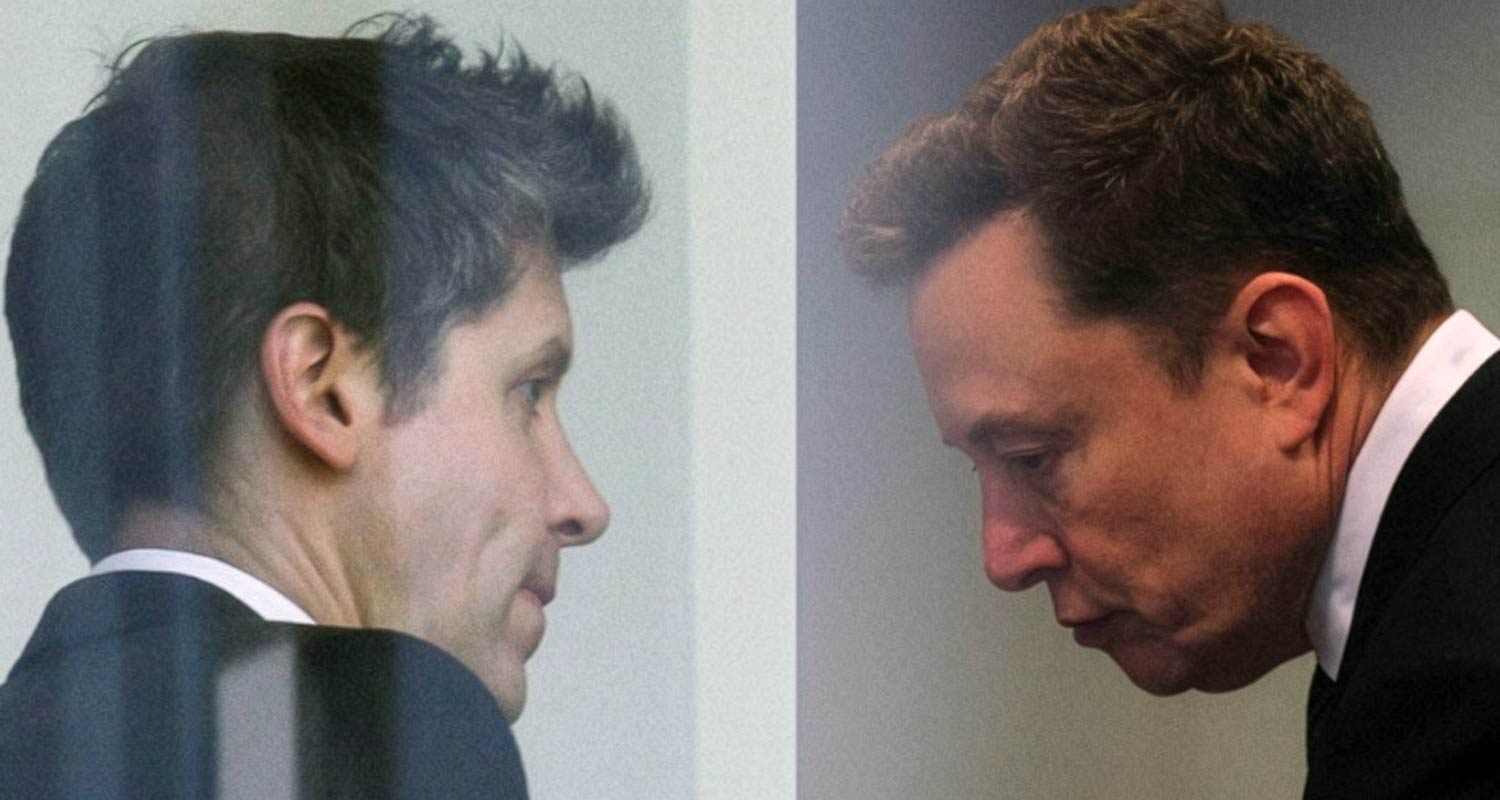
A US jury on Monday ruled against Elon Musk in his lawsuit against OpenAI, finding the AI company not liable to the world’s richest man for having allegedly strayed from its original mission to benefit humanity.
In a unanimous verdict, the jury in Oakland, California federal court said Musk had brought his case too late. The jury deliberated less than two hours.
The trial had widely been seen as a critical moment for the future of OpenAI and AI generally, both in how it should be used and who should benefit from it.
Following the verdict, Musk’s lawyer said he reserved the right to appeal, but the judge suggested he may have an uphill battle because whether the statute of limitations ran out before Musk sued was a factual issue.
“There’s a substantial amount of evidence to support the jury’s finding, which is why I was prepared to dismiss on the spot,” US district hudge Yvonne Gonzalez Rogers said.
In his 2024 lawsuit, Musk accused OpenAI, its CEO, Sam Altman, and its president, Greg Brockman, of manipulating him into giving US$38-million, then going behind his back by attaching a for-profit business to its original nonprofit and accepting tens of billions of dollars from Microsoft and other investors. Musk called the OpenAI defendants’ conduct “stealing a charity”.
Money vs altruism
OpenAI was founded by Altman, Musk and several others in 2015. Musk left its board in 2018, and OpenAI set up a for-profit business the next year.
The verdict followed 11 days of testimony and arguments where Musk’s and Altman’s credibility came under repeated attack. Each side accused the other of being more interested in money than serving the public.
Read: Sam Altman denies betraying Elon Musk
In his closing argument, Musk’s lawyer Steven Molo reminded jurors that several witnesses questioned Altman’s candour or branded him a liar, and that Altman did not give an unqualified yes when asked during the trial if he was completely trustworthy. “Sam Altman’s credibility is directly at issue,” Molo said. “If you don’t believe him, they cannot win.”
Musk accused OpenAI of wrongfully trying to enrich investors and insiders at the non-profit’s expense and failing to prioritise AI’s safety. He also contended that Microsoft knew all along that OpenAI cared more about money than being altruistic.
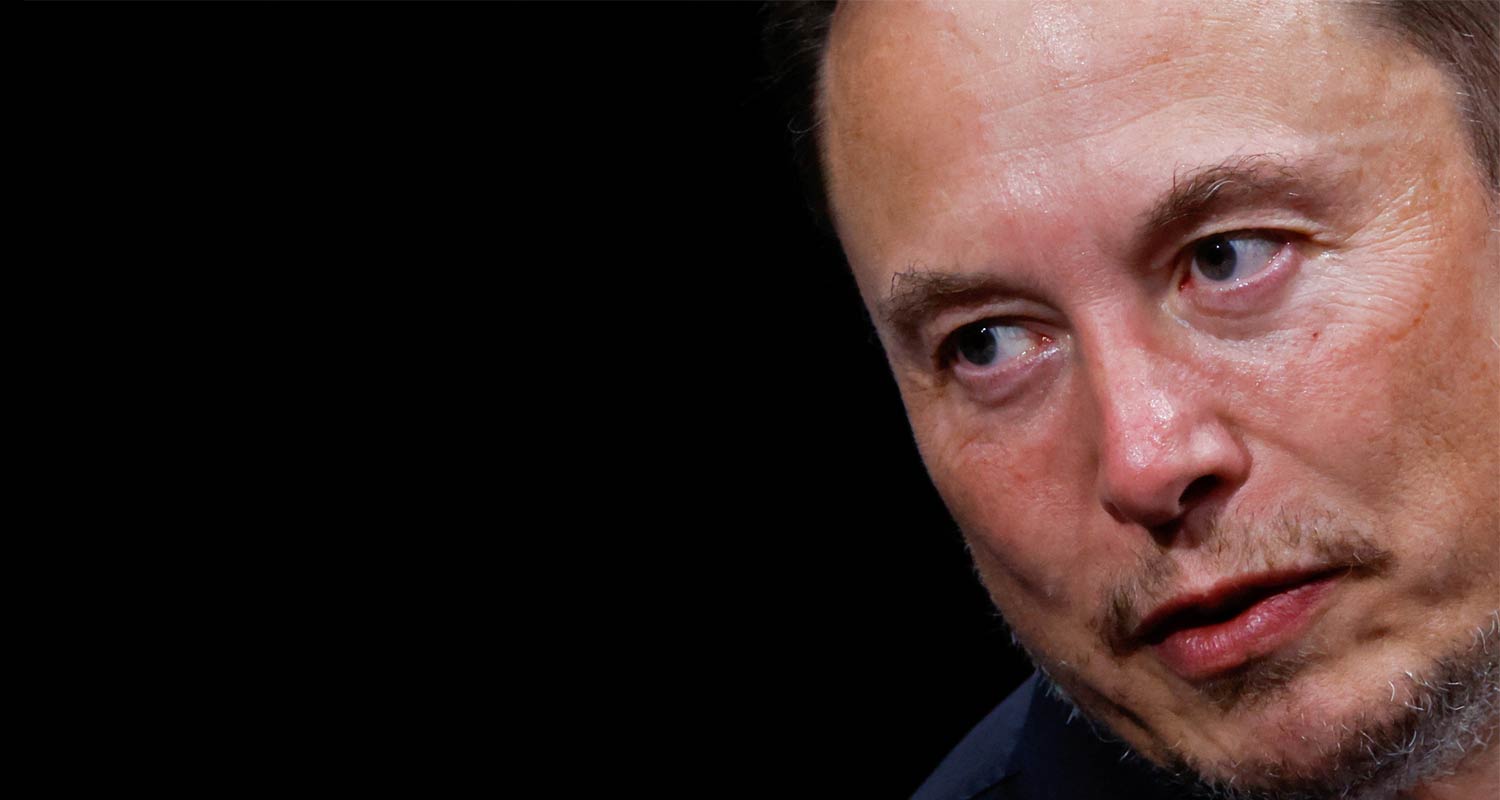
OpenAI countered that it was Musk who saw dollar signs, and that he waited too long to claim OpenAI breached its founding agreement to build safe AI to benefit humanity. “Mr Musk may have the Midas touch in some areas, but not in AI,” William Savitt, a lawyer for OpenAI, said in his closing argument.
OpenAI competes with AI companies such as Anthropic and xAI, and is preparing for a possible initial public offering that could value the business at $1 trillion. Microsoft has spent more than $100-billion on its partnership with OpenAI, a Microsoft executive testified.
Read: Elon Musk’s audacious power grab at SpaceX
Musk’s xAI is now part of his space and rocket company SpaceX, which is preparing an IPO that could exceed OpenAI’s in size. — Kenrick Cai and Deepa Seetharaman, with Jonathan Stempel and Luc Cohen, (c) 2026 Reuters
Get breaking news from TechCentral on WhatsApp. Sign up here.